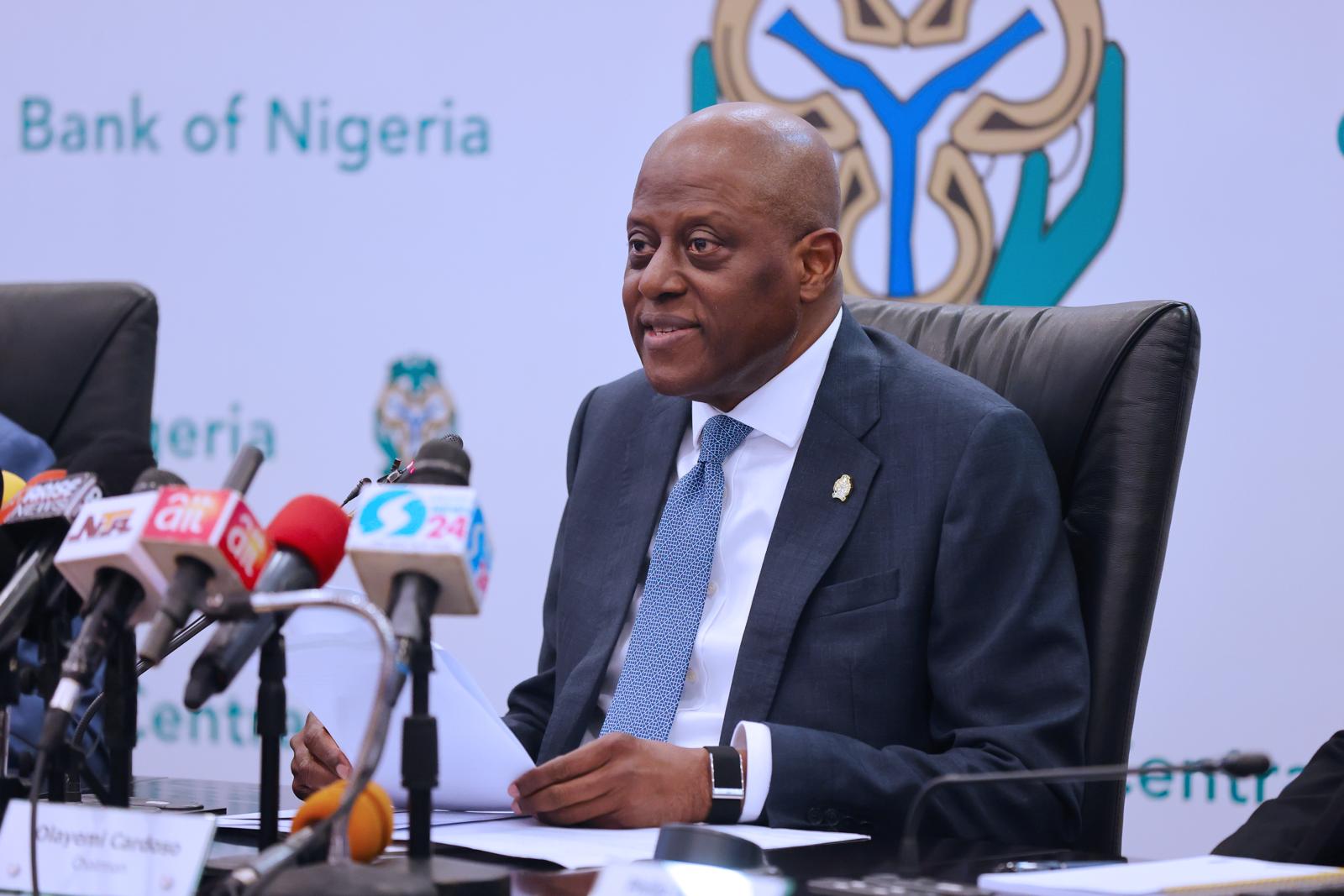
The Governor of the Central Bank of Nigeria (CBN), Olayemi Cardoso, has urged banks to channel the ₦4.65 trillion raised through the banking sector recapitalisation exercise into increased lending to productive businesses.
He warned that stronger capital positions would have limited impact if businesses continued to face difficulties accessing affordable financing.
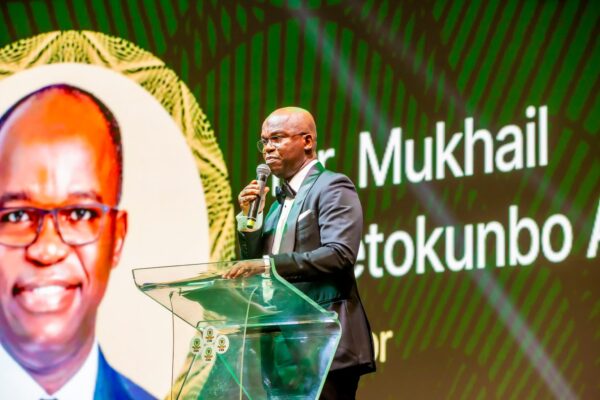
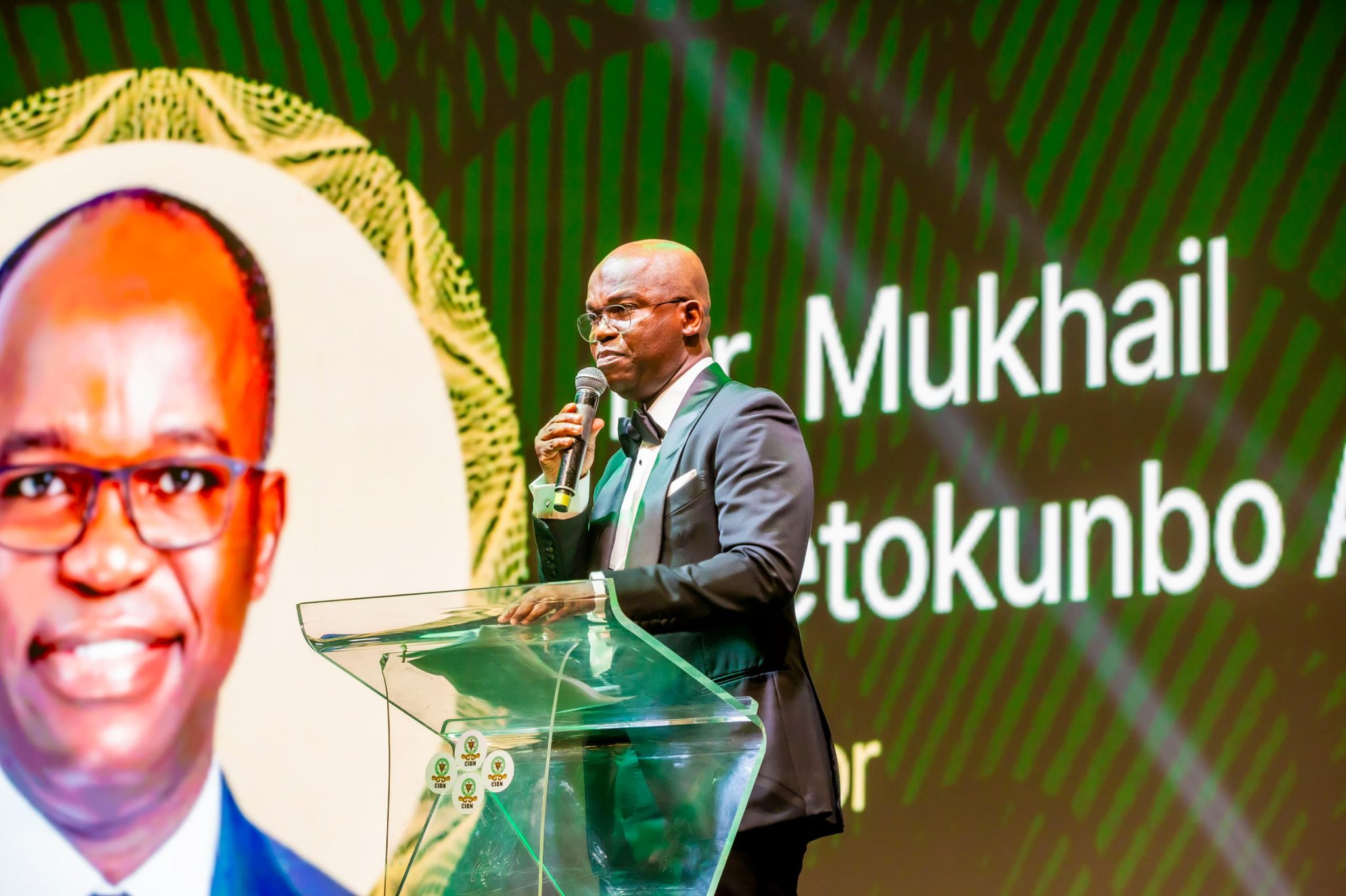
Cardoso, who spoke at the 61st Annual Bankers’ Dinner of the Chartered Institute of Bankers of Nigeria in Lagos said the successful recapitalisation of the banking industry had strengthened the financial system, but stressed that the next priority was ensuring that the additional capital supported economic expansion.
Read Also: Ulasi Says Igbo Presidency Could End Civil War, Urges Atiku to Wait
According to him, 33 banks met the revised minimum capital requirements following the recapitalisation exercise introduced in March 2024, which was successfully concluded earlier this year, raising approximately ₦4.65 trillion in fresh capital.
He, however, observed that the increase in banks’ capital had not automatically translated into cheaper credit, noting that the cost and availability of financing remained influenced by broader macroeconomic and structural challenges.
“Stronger balance sheets are necessary, but the capacity of banks to lend affordably also depends on the environment in which they operate,” Cardoso said.
He identified the monetary policy stance required to contain inflation, elevated credit risks across several sectors and weaknesses in credit assessment, collateral and enforcement infrastructure as major constraints affecting lending costs and access to finance.
The CBN governor said addressing these challenges would require sustained moderation in inflation, stronger credit information and collateral systems, as well as closer collaboration between monetary and fiscal authorities to improve the business environment.
He also called for greater adoption of collaborative financing arrangements, including risk-sharing structures and loan syndication, particularly for large-scale transactions that exceed the lending capacity or risk appetite of individual banks.
Cardoso further warned that stronger capitalisation must be supported by improved balance sheet discipline, transparency in risk management and effective corporate governance, adding that the apex bank would sustain risk-based supervision, stress testing and accountability at board and management levels.
He said “the next phase of banking sector development must focus on directing financial resources towards productive enterprise rather than treating recapitalisation as an end in itself”.
The governor also highlighted the gap between financial access and actual credit utilisation, citing the 2026 Access to Financial Services Survey, which showed that approximately 79 per cent of Nigerian adults used formal or informal financial services, while 64 per cent accessed digital financial services.

However, he noted that although 53 per cent of adults now saved formally, only 10 per cent borrowed through formal financial channels.
According to him, the challenge is no longer simply bringing more Nigerians into the financial system, but ensuring that access translates into meaningful economic opportunities.
Using the example of a market trader in Kano who receives about 200 daily transfers and consistently saves, Cardoso said such a business owner should be able to leverage her financial transaction history to secure credit for business expansion.
He added that the effectiveness of financial inclusion should increasingly be measured by the extent to which households could save securely, manage unexpected expenses and access appropriate financial products.
Cardoso also disclosed that the CBN would work towards institutionalising the gains of recent reforms through a comprehensive and accessible regulatory rulebook expected to be introduced in the coming year.
He said “the proposed framework would provide greater clarity on regulatory requirements and supervisory standards, promote consistency and strengthen accountability across financial institutions”.
The governor maintained that the ultimate objective of the reforms was to build a financial system capable of mobilising capital for productive investment, supporting innovation and delivering better services to Nigerians.