
The National Unity and Peace Corps has appealed to President Bola Tinubu to grant presidential assent to the Nigerian Mines Rangers Service Bill, following its passage by both chambers of the National Assembly.
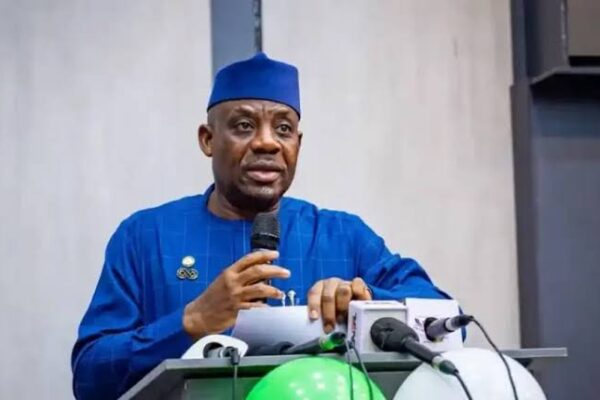
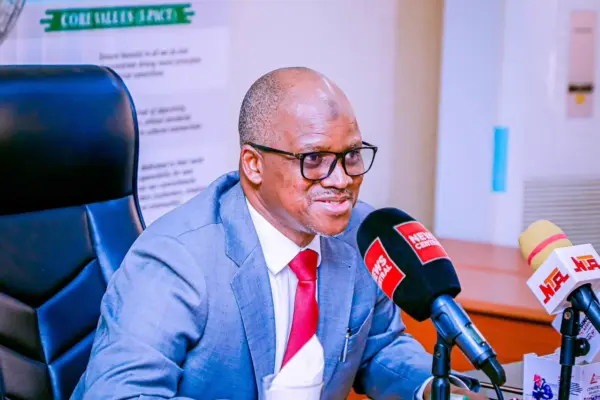
The Commandant-General of the Corps, Dr Chinedu Stanislaus Nneji, made the appeal on Monday at a press briefing in Abuja, saying the proposed agency would strengthen security in the mining sector, curb illegal mining and boost revenue generation for the Federal Government.
The bill, Senate Bill 253, was passed by the Senate in November 2025 before being transmitted to the House of Representatives for concurrence. The House passed it on November 18, 2026, paving the way for its transmission to the President for assent.
Nneji said the proposed Mines Rangers Service would address widespread illegal mining, regulate activities across mining communities and help check criminal activities in the country’s forests.
He also appealed to the Minister of Solid Minerals Development, Dr Dele Alake, to support the bill, which is proposed to operate under the Federal Ministry of Solid Minerals Development.
Addressing concerns about the Federal Government’s reported embargo on recruitment and the financial implications of establishing another agency, Nneji said the proposed service would not constitute an additional burden on public finances.
According to him, the agency is designed to generate sufficient revenue to finance its operations, pay personnel salaries and remit substantial funds into the Federation’s purse.
“Rather, the extra revenue we are generating, we pay our staff salary. In that case, we are not going to be a burden to the Federal Government; rather, we are going to be an asset to the Federal Government,” he said.
He argued that Nigeria could derive greater economic benefits from its mineral resources by establishing a specialised institution to oversee mining activities, citing Canada, Ghana and South Africa as countries where mining contributes significantly to economic growth.
The Commandant-General disclosed that the Corps had already developed an operational framework, prepared legal instruments and trained personnel in anticipation of the establishment of the agency.
He said the proposed service would deploy specialised personnel and equipment to organise mining activities and ensure operators complied with existing laws.
Read Also: Abure Says Supporting Peter Obi in 2023 Was a Mistake, Questions His Leadership Ability
“The sector is scattered. You can see that all manner of people are into mining in all parts of the country, and it will take a whole lot of task to gather all these people to one table and make sure they follow the legal instrument as prescribed by the Federal Republic of Nigeria,” he said.

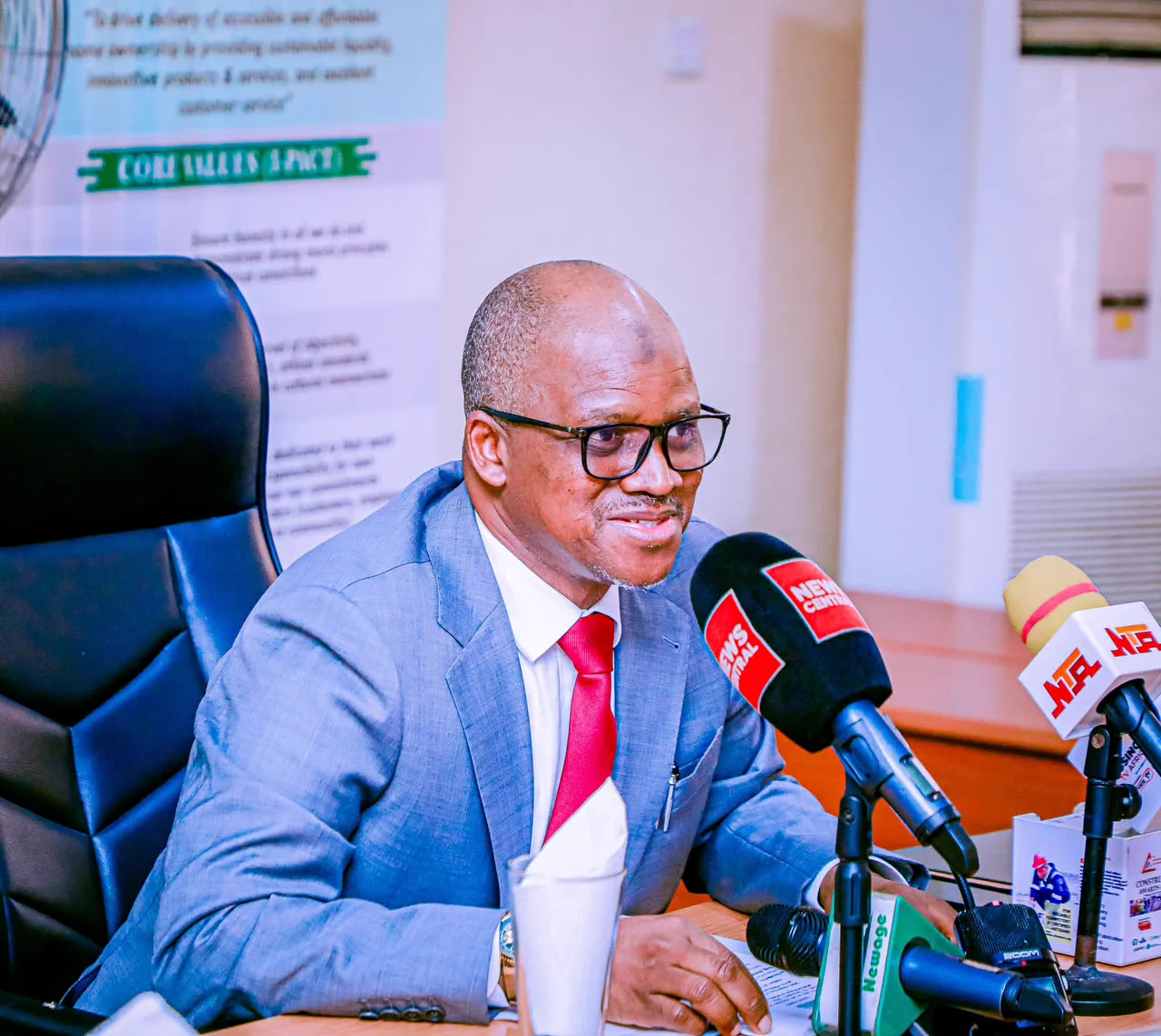
Nneji, however, said the trained personnel were awaiting Federal Government approval to commence field operations.
On the involvement of the Ministry of Solid Minerals Development in the bill’s development, Nneji explained that it was a private member’s bill and not an executive bill.
He said the ministry would ordinarily have initiated the process if it were an executive bill, but the Constitution also empowered members of the public to sponsor legislation through the National Assembly.
He claimed that the ministry had yet to play a direct role in the bill’s development but expressed optimism that Minister Alake would support it when it reached the Presidency for consideration.
Nneji also questioned the consideration of using the Nigeria Security and Civil Defence Corps to provide security in mining areas, arguing that the proposed Mines Rangers Service was specifically designed to address the security and regulatory challenges of the sector.
He said the National Assembly recognised the gap and considered the creation of a specialised agency necessary to address it.
The Commandant-General, who said he personally developed the bill and lobbied lawmakers in both chambers to sponsor and defend it, described its passage as a major step towards strengthening the management of Nigeria’s mineral resources.
He added that the proposed agency would help stop the exploitation and removal of mineral resources without appropriate payments to the federal government.