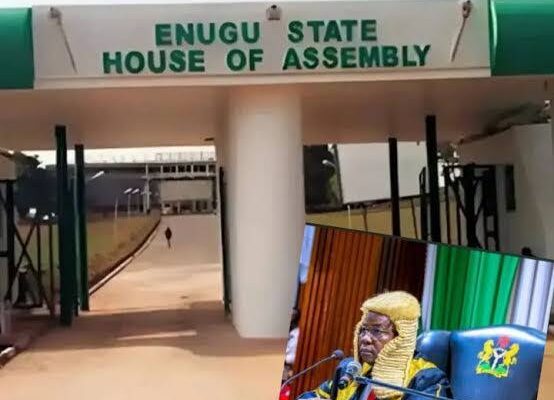
Ohanaeze Ndigbo Oto-Awori Leadership Tussle: Ubah Rejects DuruChima’s Chairmanship Claim, Cites Absence of Due Process
…..Demand Fresh Election in Oto-Awori
By Naomi Onome
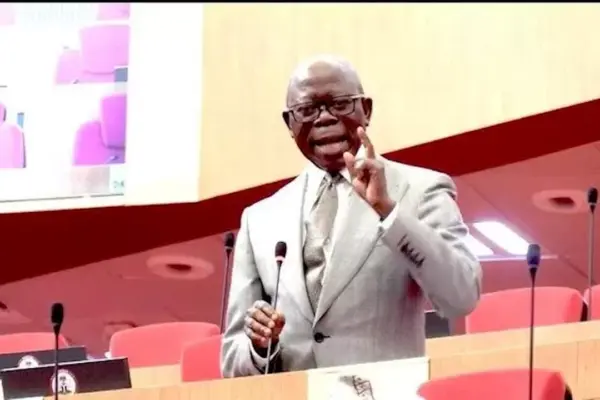
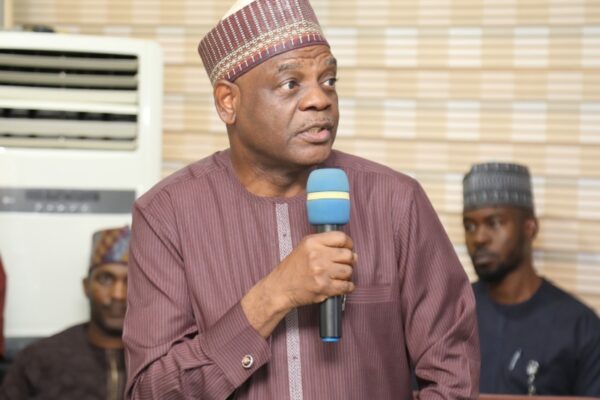
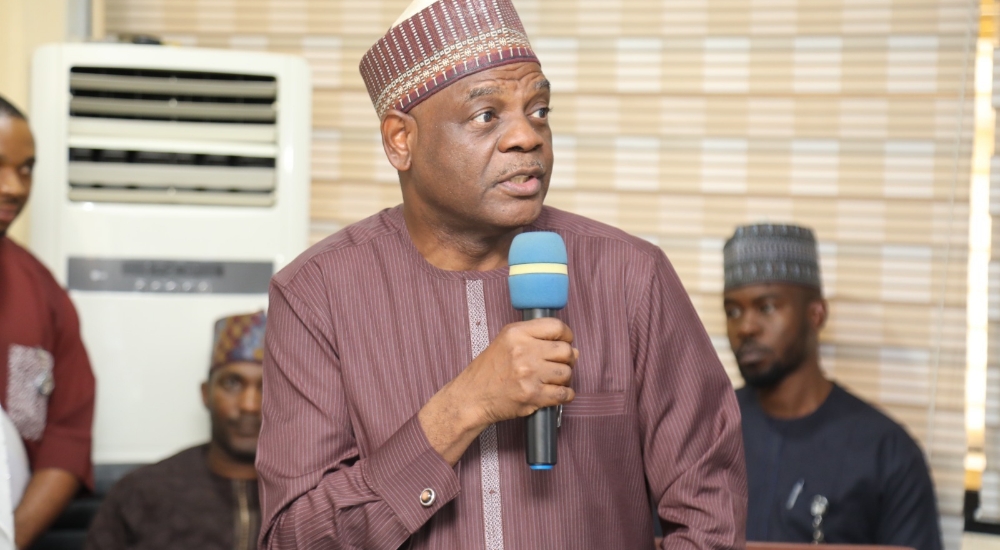
Chief Emmanuel Ubah, Chairman of Ohanaeze Ndigbo, Oto-Awori LCDA, and the Secretary of the Igbo Council of Chiefs in the area, Chief Iheanyichukwu Oti, have rejected Prince Chimezie DuruChima’s claim to the chairmanship position of the Oto-Awori chapter of Ohaneze Ndigbo organisation, describing the election that reportedly produced him as chairman as unconstitutional and lacking due process.
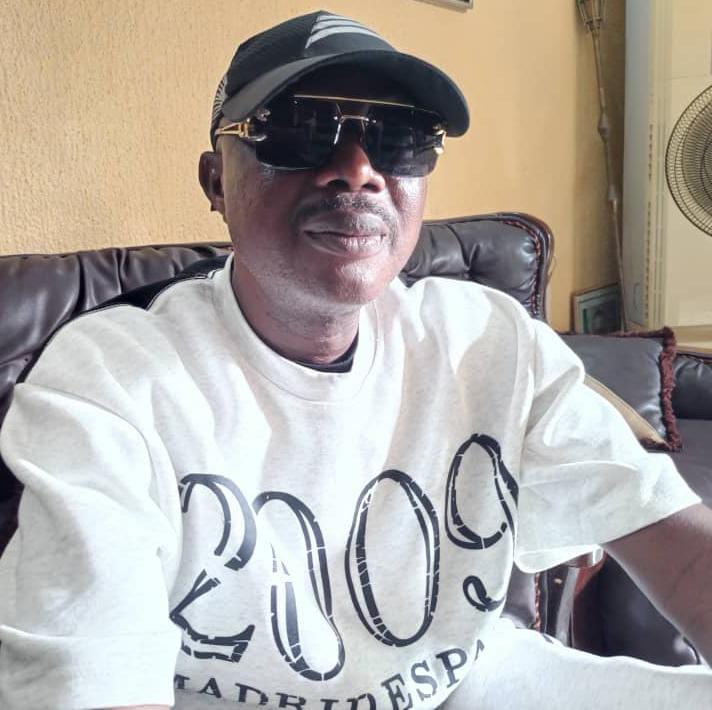
The two leaders, who spoke during separate interviews with journalists, maintained that Ubah remained the duly recognised chairman of Ohanaeze Ndigbo in Oto-Awori, insisting that no formal handover had taken place and that the disputed election did not follow the established procedures of the organisation.
Ubah accused DuruChima of attempting to take over his position through what he described as a desperate pursuit of power, dismissing the latter’s claim that he had automatically assumed the chairmanship after serving as his vice-chairman.
Explaining the genesis of the disagreement, Ubah said he never handed over the leadership of the Oto-Awori chapter to DuruChima while pursuing a state-level position in Ohanaeze Ndigbo, Lagos State.
According to him, serving as his deputy did not automatically confer on DuruChima the authority to become chairman, stressing that leadership succession must follow a properly conducted election.
“How can I hand over to him without due process? If I have been elected, I have no power to hand over to anybody without an election. I can only hand over to anybody who wins the election,” Ubah said.
He explained that his absence from some chapter activities while contesting for the Lagos State position did not amount to relinquishing his chairmanship, adding that DuruChima could only succeed him through a recognised electoral process.
On the disputed election, Ubah alleged that the exercise was conducted without informing him, the Onyendu of Oto-Awori, traditional stakeholders and other relevant members of the organisation.
He questioned the legitimacy of an election allegedly conducted without the knowledge and participation of the recognised leadership and stakeholders, insisting that the process was fundamentally defective.
Ubah further disclosed that he had submitted a petition to the Lagos State executive of Ohanaeze Ndigbo, following which a decision was reportedly reached that the election should be revisited.
He maintained that the decision of the state executive remained binding, arguing that DuruChima could not claim recognition as chairman without the necessary certification and formal handover.
“The executive of Ohanaeze Ndigbo Lagos State has given the order that the election should be revisited, but it has not been done in the right way, without due process,” he said.
Asked about DuruChima’s allegation that he had been the person who introduced him to the organisation and supported his emergence, Ubah dismissed the claim, saying both of them had been part of the organisation’s activities and leadership structure.
He also accused DuruChima of failing to effectively manage a zone previously entrusted to him, alleging that disagreements over his leadership style had caused some members to withdraw from the zone.
On the tenure of the local government chairman, Ubah said although the constitution of Ohanaeze Ndigbo provides for a four-year tenure, local government chapter elections had not been concluded, prompting the national leadership to direct existing chairmen to remain in office until new elections were conducted.
He said he was therefore still the chairman of the Oto-Awori chapter pending a properly conducted election and formal transfer of leadership.
Ubah also defended his decision to return to the local government chapter after contesting for a Lagos State position, arguing that there was no constitutional provision preventing an elected chairman from retaining his position while seeking a higher office.
He, however, disclosed that he was not interested in seeking another term as chairman, explaining that the organisation’s zoning arrangement should allow other zones to produce the next leader.
According to him, the remaining zones should be given the opportunity to take over the leadership through a transparent and inclusive election.
On allegations that N1 million was allegedly exchanged to influence members of the electoral committee, Ubah questioned the circumstances surrounding the conduct of the exercise but did not provide independent documentary evidence to substantiate the allegation.
He insisted that the manner in which the election was organised raised serious concerns, particularly because the recognised leadership and relevant community authorities were allegedly excluded.
Ubah urged members of Ohanaeze Ndigbo in Oto-Awori to remain calm, advising DuruChima to embrace sportsmanship and respect the organisation’s leadership structure.
He said political ambition should not override the principles of fairness, respect and constitutional order, recalling that he had congratulated his opponent after losing his own contest for the Lagos State presidency.
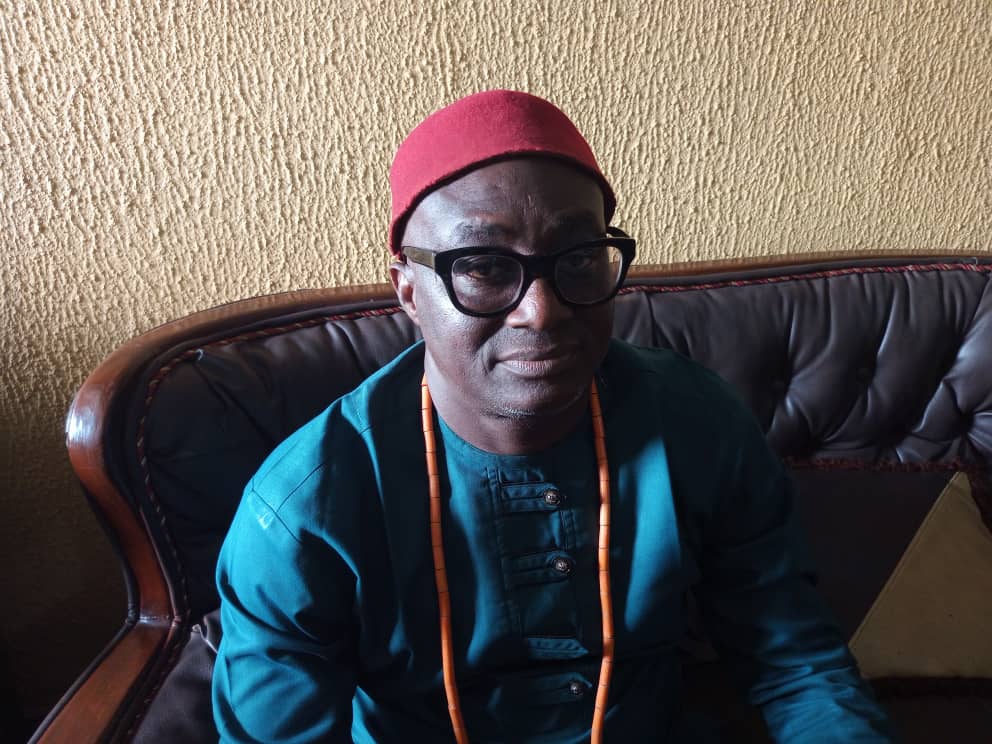
Palace Secretary backs Ubah, faults electoral process
Also speaking, the Secretary of the Igbo Council of Chiefs, Oto-Awori LCDA, and Obi of Aiyetoro, Chief Iheanyichukwu Oti, backed Ubah’s position, insisting that the disputed election did not comply with the traditional and administrative procedures guiding the organisation.
Oti, who provided an account of the leadership history of Ohanaeze Ndigbo in Oto-Awori, said the organisation’s traditional and cultural leadership structure originated from the palace of Onyendu Dr Peter Olikeyi Omenife, who, according to him, had served as the traditional leader since 2004.

He alleged that some individuals who participated in the disputed election had previously emerged from the Oto-Awori palace structure before establishing or assuming leadership positions elsewhere.
Among those he mentioned were Chief Timothy Nwanonu, whom he identified as a former Onu of the Igbo Council of Chiefs, Chief Dike, whom he described as a community chief under the Obi of Ketu, Chief Oliver Nwadi Nwadi, and Chief Kenneth Agwedu, whom he identified as the former Obi of Emude.
Oti maintained that the individuals’ previous positions within the traditional structure did not automatically qualify them to determine the leadership of Ohanaeze Ndigbo in Oto-Awori outside the established procedures.
He also alleged that the Afromedia group had ceased to be part of the Oto-Awori chapter for between eight and 10 years following disagreements over the alleged sharing of information between the Oto-Awori and Eba chapters.
According to him, the organisation had previously suspended the group over what he described as concerns about divided loyalty.
Faulting the disputed election, Oti said the process should have involved all recognised zones, their respective chairmen, the Onyendu and other stakeholders before any electoral committee could be constituted.
He explained that the established procedure required a formal meeting at the palace, where the traditional leader would address stakeholders, followed by written communication from the Oto-Awori chapter to the Lagos State leadership of Ohanaeze Ndigbo.
Oti said the process would also involve the sale of nomination forms and the participation of eligible contestants from the recognised zones.
He argued that none of these procedures was followed before the disputed election was conducted.
“How can you be a vice-chairman of a body and the chairman is still there? Since there was no election in Oto-Awori up to now, the chairman is still there. And the chairman has not handed over to you,” he said.
The palace secretary further faulted the composition of the electoral process, alleging that the recognised traditional leader and several zones were not adequately represented.
He described the exercise as a kangaroo election, insisting that the reported decision of the Lagos State leadership directing that the process be revisited should be respected.
Oti expressed confidence in the leadership of High Chief Eze Okafor, whom he said would work towards restoring peace and resolving the leadership disagreement.
He urged all parties and stakeholders to exercise restraint, warning against allowing the disagreement to undermine the peaceful atmosphere previously enjoyed by the organisation in Oto-Awori.
On the question of who currently occupies the chairmanship, Oti unequivocally identified Chief Emmanuel Ubah as the incumbent chairman, maintaining that the position remained unchanged until a valid election and formal handover were conducted.
He also described Onyendu Dr Peter Olikeyi Omenife as a calm and accommodating traditional leader who, according to him, had supported both Igbo and non-Igbo residents through empowerment initiatives, including educational assistance for children of indigenous Yoruba landlords.
Both Ubah and Oti called for adherence to the constitution, established leadership protocols and the zoning arrangement, stressing that the disagreement should be resolved through an inclusive electoral process rather than unilateral claims to leadership.
Read Also:Ohaneze Oto-Awori Crisis: Duruchima Dismisses Election Cancellation Claim, Insists Tenure of Former Chairman Has Expired
However, the allegations and claims made by the two leaders reflect their positions in the ongoing dispute. The position of Prince Chimezie DuruChima and the Lagos State leadership of Ohanaeze Ndigbo on the specific allegations, including the reported directive to revisit the election, would be necessary to establish a comprehensive account of the controversy.