Fountain Of Life Leadership Crisis: Iche Raises Questions Over Church Succession, Accountability
….Also Questions Silence Of CAN, PFN
By Naomi Onome
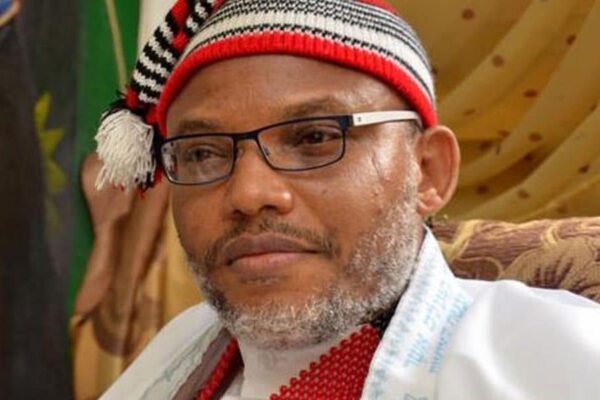
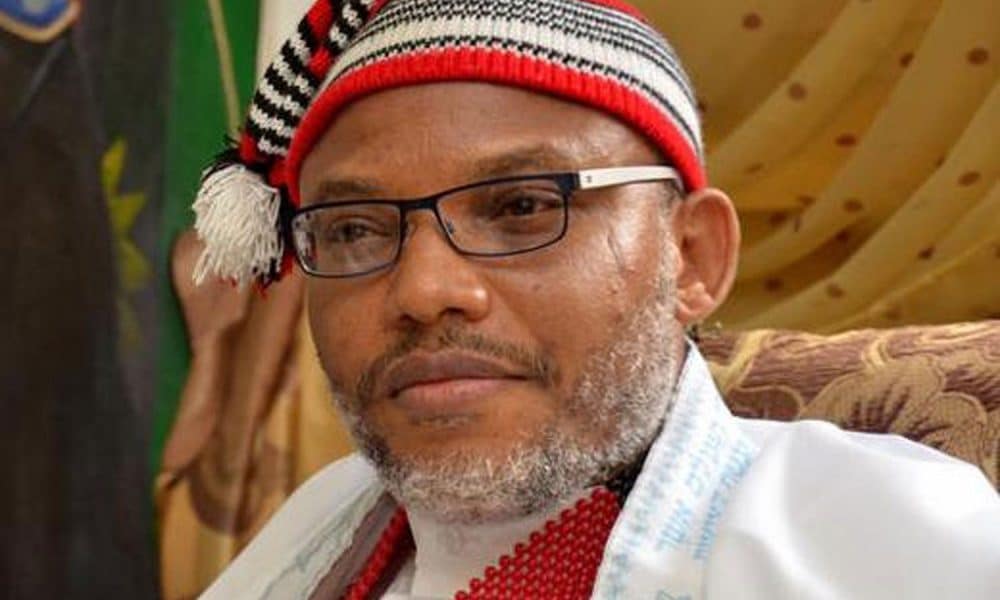
A human rights advocate and convener of Voice of the Voiceless Media, Comrade Prince Saviour Iche, has criticised what he described as growing indiscipline, moral inconsistencies and lack of accountability among some Christian leaders in Nigeria, warning that the actions of certain pastors are gradually undermining public confidence in the Church.

Iche made the remarks while reacting to the leadership crisis at The Fountain of Life Church, Lagos, involving Pastor Jimmy Odukoya and the church’s Board of Trustees, as well as the recent intervention of Bishop Mike Okonkwo, founder of The Redeemed Evangelical Mission (TREM).
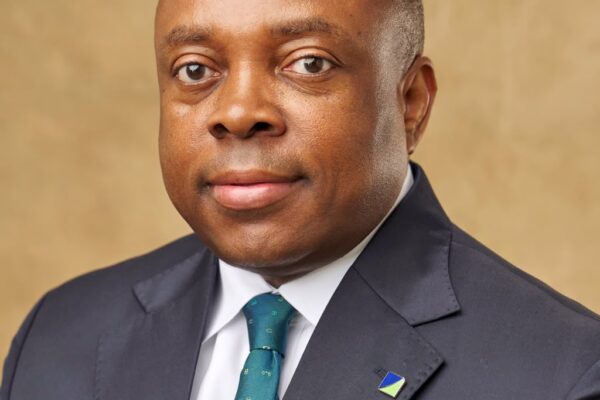
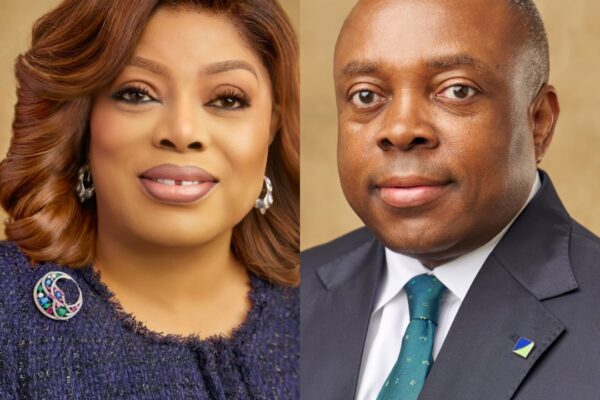
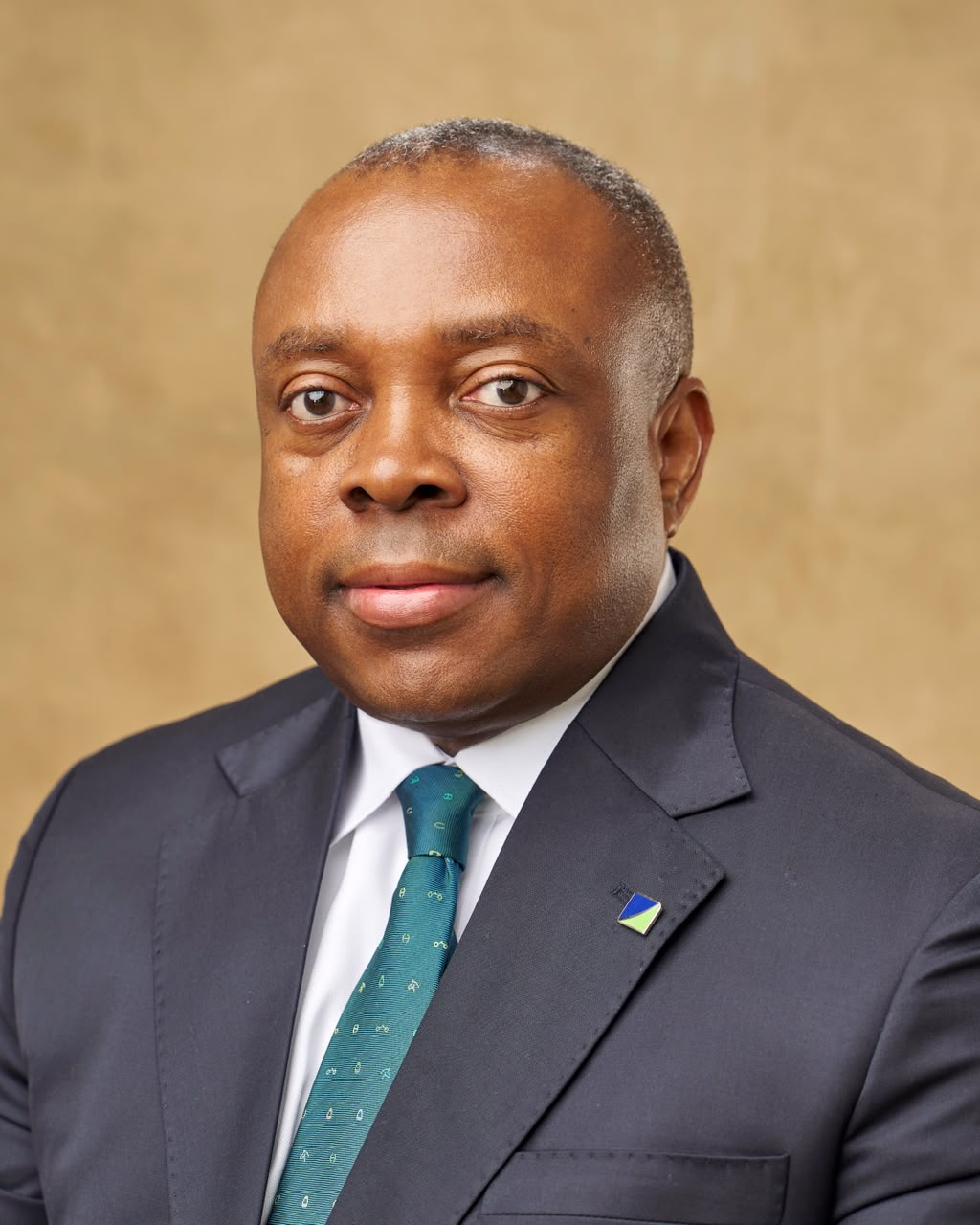
The crisis at Fountain of Life Church escalated following the announcement by the Board of Trustees that Jimmy Odukoya had been removed as Senior Pastor, with Rotimi Okpaise named as interim leader. Odukoya, however, rejected the decision, describing it as unconstitutional and invalid.
The dispute subsequently moved to the Lagos State High Court, which granted an order restraining Jimmy Odukoya from presenting himself as the church’s Senior Pastor and Spiritual Head pending further proceedings.
Reacting to Bishop Okonkwo’s appearance at the church, Iche questioned the circumstances surrounding the visit, insisting that the central issue should be the growing culture of personality-driven church leadership and succession arrangements that appear to favour family members over other qualified church leaders.
According to him, the controversy has exposed deeper questions about whether some churches are being managed as spiritual institutions established to serve God or as family-controlled enterprises.
He argued that the succession of church leadership should not automatically become a father-to-son or family inheritance arrangement, stressing that the calling to lead a church should be guided by spiritual conviction, competence and established institutional principles.
Iche cited the example of the late founder of the Redeemed Christian Church of God, who, according to him, chose Pastor Enoch Adeboye as his successor, despite having children of his own.
He questioned why church succession should be determined primarily by biological relationships rather than the capacity and spiritual commitment of the individual chosen to continue the founder’s vision.
The human rights advocate also expressed concern over what he described as the silence of influential Christian leaders and religious institutions in the face of alleged misconduct among prominent pastors.
He specifically challenged the Christian Association of Nigeria (CAN), the Pentecostal Fellowship of Nigeria (PFN) and respected church leaders to demonstrate stronger commitment to discipline and accountability within the Christian community.
According to him, the absence of visible disciplinary measures against influential religious figures has created an atmosphere where some pastors allegedly operate without fear of correction or consequences.
“Where are the fathers of faith? Where are the people who should speak when these things are happening in the house of God? Does it mean nobody can call these pastors to order when they go against the very teachings they preach to their members?” he queried.
Iche further criticised what he described as double standards in the enforcement of moral and religious principles, particularly regarding marriage, divorce and remarriage.
Read Also:National Peace Accord: Iche Questions Kukah, Other Conveners Over Silence on Attacks Against Opposition Political Party
He argued that some church leaders preach strict standards of holiness, marital faithfulness and personal discipline to ordinary members but allegedly fail to uphold the same standards in their private lives.
He questioned the justification for situations in which pastors allegedly abandon their marriages, remarry or become involved in controversies surrounding marital relationships without facing institutional scrutiny.
According to him, such developments send conflicting messages to congregations, especially when the same leaders are expected to serve as moral examples.
The advocate also recalled his personal experience as a former member of a church where strict rules were allegedly imposed on members regarding dressing, hairstyles, relationships and other aspects of personal conduct.
He said women were subjected to restrictions on their hairstyles and appearance, while members were expected to obtain permission from church authorities before certain visits involving their fiancées.
However, he alleged that some leaders who enforced these rules did not always practise the same standards privately.
Iche recalled an incident during his marriage counselling period when he allegedly discovered that a church leader who supervised members’ relationships was keeping a woman in his room, despite the strict restrictions imposed on ordinary members.
He also questioned the consistency of church teachings on dressing and appearance, citing what he described as a contrast between the restrictions previously imposed on members and the appearance of some senior church leaders and their families at later events.
Beyond leadership and marital controversies, Iche raised concerns about the increasing emphasis on financial contributions in some churches, arguing that members are sometimes subjected to repeated fundraising appeals even when many are struggling to meet their basic needs.
He questioned the practice of demanding financial sacrifices from congregants while some church leaders enjoy luxurious lifestyles, including private jets and expensive properties.
He maintained that religious leaders should demonstrate greater sensitivity to the economic realities of their members rather than placing additional financial pressure on them.
The advocate also criticised religious teachings and institutional decisions that, in his view, could place members’ lives at risk.


He cited the position of Jehovah’s Witnesses on blood transfusions, alleging that his family had experienced a difficult situation when his son required medical attention and he encountered resistance to a blood transfusion because of the family’s religious background.
He claimed that alternative medical intervention was eventually used to address the situation.
Iche argued that religious convictions should not be interpreted in ways that unnecessarily endanger human lives, calling for greater dialogue between religious institutions, medical professionals and affected families.
He further alleged that some pastors exploit the vulnerability of worshippers seeking spiritual assistance, particularly women facing marital or personal challenges.
He recounted several incidents brought to his attention involving alleged sexual misconduct by religious leaders during counselling and deliverance sessions, including claims that some women were pressured to engage in sexual relationships under the guise of spiritual intervention.
He also referred to allegations of inappropriate conduct involving minors, arguing that such complaints should be treated as serious matters requiring appropriate investigation by law enforcement agencies rather than being handled internally or concealed by religious institutions.
While acknowledging that not all pastors engage in misconduct, Iche insisted that the actions of a few individuals should not be allowed to damage the credibility of the wider Christian community.
He warned that the growing number of controversies surrounding church leadership, alleged financial exploitation, marital misconduct and abuse of spiritual authority could discourage people from attending church, particularly younger Nigerians.
According to him, many worshippers are increasingly questioning the integrity of religious leaders, while some are reportedly withdrawing from church activities because of their experiences and what they perceive as contradictions between preaching and practice.
“The church is losing its taste. The Bible says that if salt loses its taste, what can it be used for again? The Church is supposed to be the mirror through which people see good examples. What are some of these leaders teaching their members when their own conduct contradicts what they preach?” he asked.
Iche also expressed concern over the apparent absence of effective internal disciplinary mechanisms, arguing that religious organisations should establish clear standards for investigating complaints and sanctioning leaders found culpable of misconduct.
He maintained that prominent Christian leaders should not remain silent when allegations of wrongdoing emerge against their colleagues, stressing that protecting the integrity of the Church should take precedence over personal relationships and institutional loyalty.
His comments come amid heightened public scrutiny of the leadership crisis at Fountain of Life Church, which has generated debate over succession arrangements, the authority of church trustees and the role of external religious leaders in resolving internal disputes.
Bishop Okonkwo, during his Sunday appearance at Fountain of Life Church, had urged members not to take sides in the crisis, emphasising that the church belongs to God and should not become a battleground for individual interests while disclosing that Senior Pastor Jimmy Odukoya is whom he stands with.
He reportedly reminded worshippers that their allegiance should be to God rather than personalities, warning them against becoming instruments of division.
The TREM founder also expressed confidence that Fountain of Life Church would survive the crisis, urging members to pray for peace, wisdom, patience and compromise among those involved.
However, Iche’s reaction raises broader questions about the responsibilities of senior Christian leaders, the effectiveness of religious oversight bodies and the need for accountability within Nigeria’s Christian institutions.
He called on CAN, PFN and other recognised Christian leadership structures to take a more active position on issues of alleged misconduct, abuse of authority and succession disputes, insisting that religious leadership should be guided by the same principles of accountability expected in other public institutions.
He warned that unless church leaders address the concerns openly and demonstrate consistency between their teachings and personal conduct, the credibility of the Christian faith in Nigeria could face further challenges.