
Camosunate Ban Claims False, NAFDAC Reassures Nigerians of Drug’s Safety
By Naomi Onome
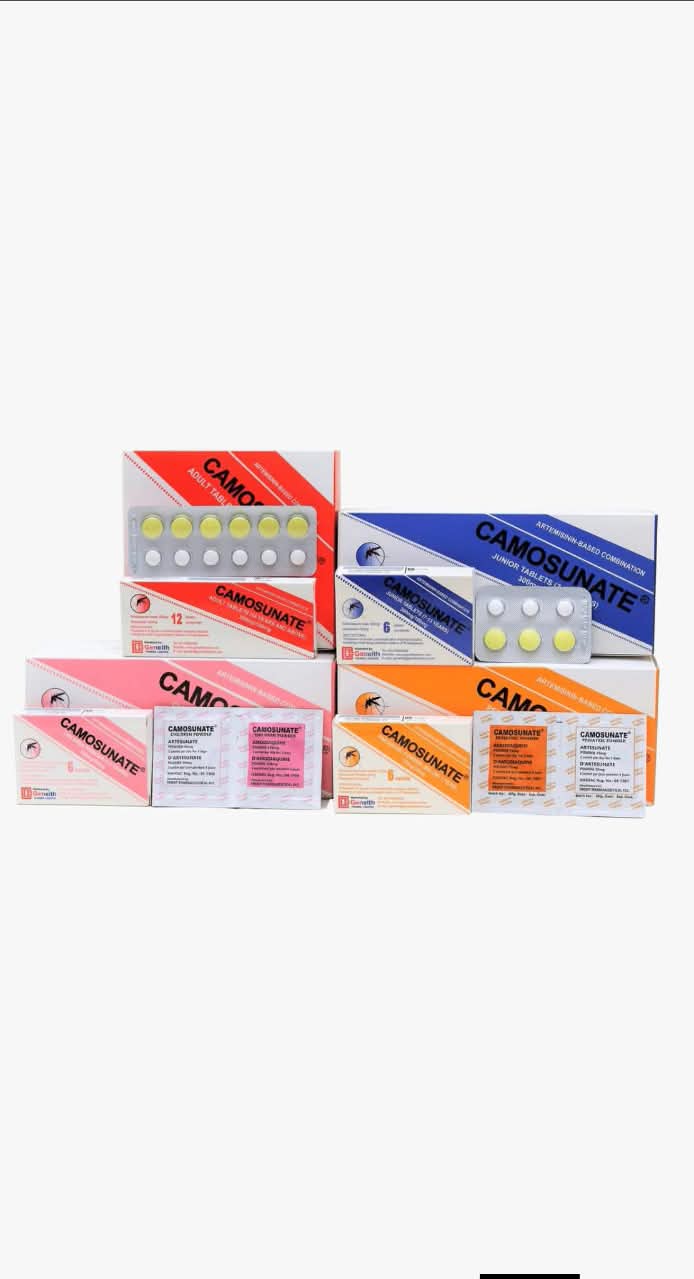
The National Agency for Food and Drug Administration and Control (NAFDAC) has dismissed reports claiming that Camosunate, a widely used antimalarial medicine, has been banned in Nigeria, describing the information circulating on social media as false and misleading.
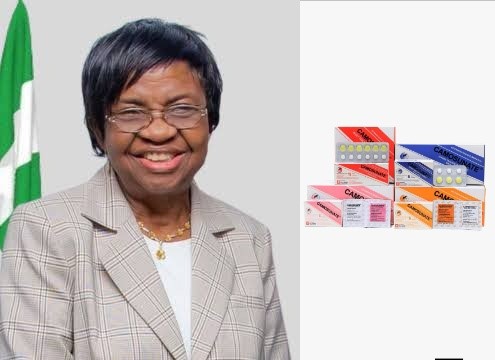
The Agency clarified that neither Camosunate nor medicines containing the artesunate-amodiaquine combination have been prohibited in the country, reassuring Nigerians that the drug remains unbanned.
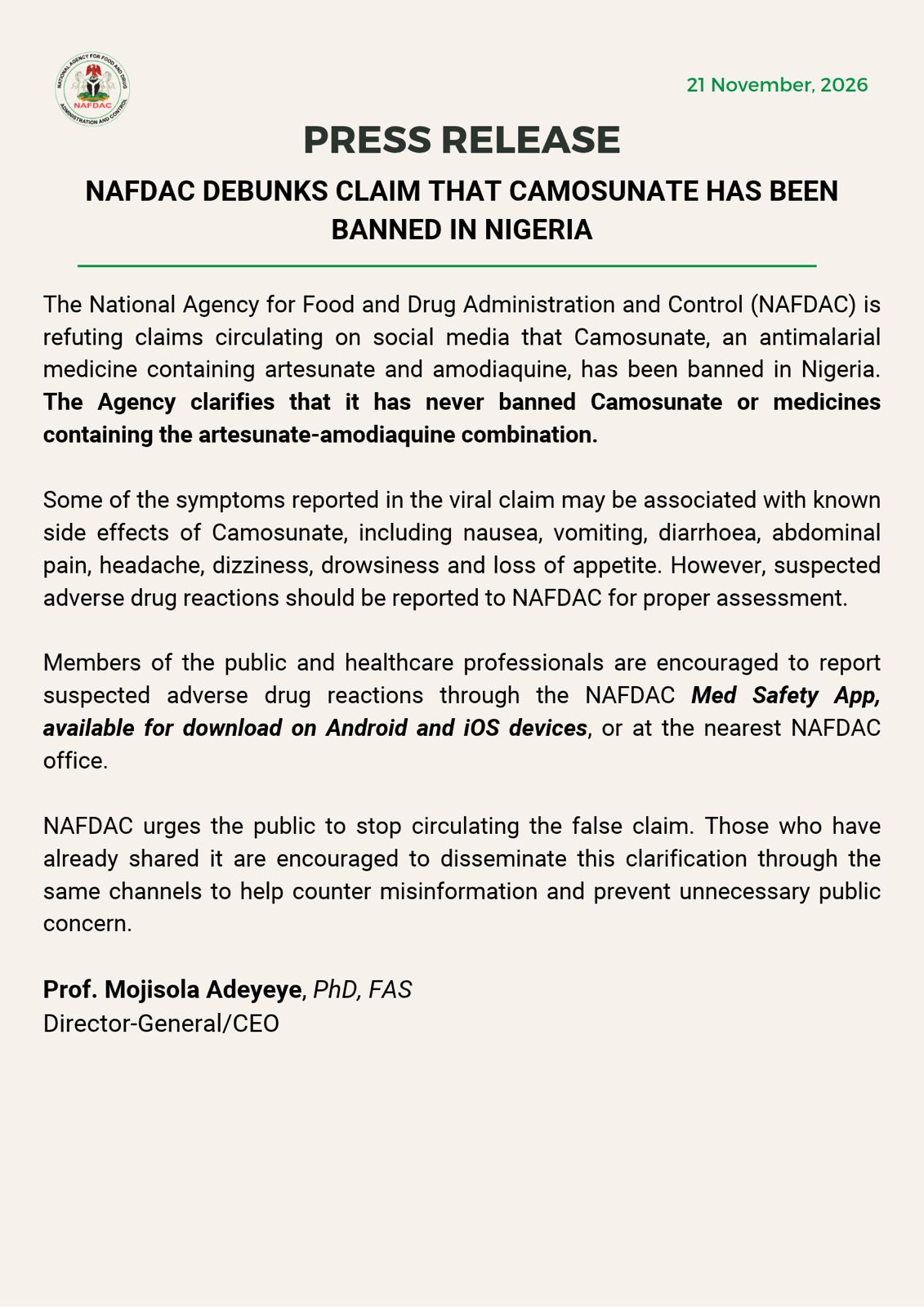
In an official statement dated November 21, 2026, NAFDAC said the clarification became necessary following the circulation of unverified reports suggesting that the regulatory agency had withdrawn or banned the antimalarial drug from the Nigerian market.
Addressing concerns surrounding the medicine, the Agency explained that although some of the symptoms highlighted in the circulating reports may be associated with its recognised side effects, such information should not be interpreted as evidence of a regulatory ban or withdrawal.
NAFDAC urged Nigerians to distinguish between information about possible adverse drug reactions and an official regulatory decision, stressing that the two are not the same.
The Agency also encouraged patients, healthcare professionals and members of the public to report any suspected adverse drug reactions through its Med Safety App, available on Android and iOS devices, or by visiting the nearest NAFDAC office.
Warning against the dangers of spreading unverified health information, NAFDAC appealed to Nigerians to stop circulating the misleading reports.




It further urged individuals who had previously shared the claims to use the same social media platforms to disseminate the Agency’s official clarification to prevent unnecessary public anxiety.
The statement, issued by the Director-General and Chief Executive Officer of NAFDAC, Prof. Mojisola Adeyeye, PhD, FAS, was aimed at addressing growing concerns among Nigerians over the safety and regulatory status of the antimalarial medicine.
The clarification comes against the backdrop of malaria’s continued burden on public health in Nigeria, where access to reliable information about approved medicines remains critical to effective treatment and disease prevention.
NAFDAC reiterated that Camosunate has not been banned in Nigeria, urging members of the public to obtain medical information from credible sources, seek professional medical advice and report suspected adverse reactions through established regulatory channels.
Read Also:ACPN Gives Edo Consumer Protection Chairman 24 Hours to Substantiate Camosunate Ban Claim, Threatens Lawsuit
The Agency maintained that Nigerians should rely on verified information rather than unsubstantiated social media claims that could create unnecessary fear and confusion over essential medicines.