
UI, Astria Learning Mobilise Industry Leaders, Students to Bridge Graduate Employability Gap
By Naomi Onome
The University of Ibadan (UI), in partnership with global educational technology company Astria Learning, has called for stronger university-industry collaboration and practical skills development to bridge the gap between academic training and workplace demands.


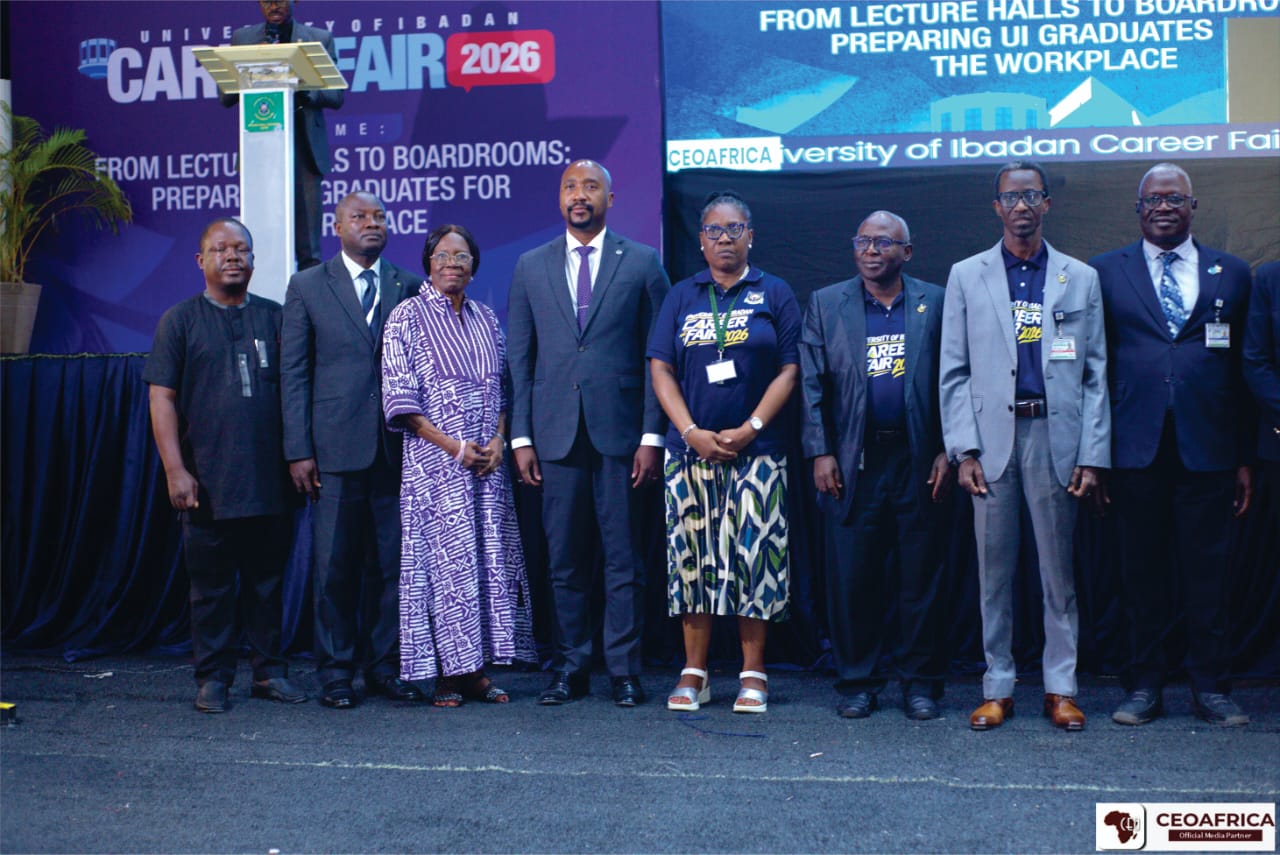
The call was made at the UI Career Fair 2026, held on Thursday, November 5, at the International Conference Centre (ICC), University of Ibadan, under the theme, “From Lecture Halls to Boardrooms: Preparing UI Graduates for the Workplace.”
The event brought together university administrators, corporate executives, recruiters, technology experts, students and representatives of financial institutions to explore strategies for addressing youth unemployment, closing digital skills gaps and creating sustainable employment opportunities for graduates.
Declaring the fair open, the 14th Vice-Chancellor of the University of Ibadan, Professor P. O. Olapegba, described the initiative as an important platform for preparing students for the realities of the modern workplace.
Olapegba, who was hosting his first career fair since assuming office as Vice-Chancellor, urged students across the university’s faculties, the College of Medicine at the University College Hospital (UCH) and affiliated institutions to take advantage of the programme to develop professional competencies, emotional intelligence, communication skills and confidence.
He noted that obtaining a university degree was only the beginning of a professional journey, stressing that graduates must demonstrate the ability to translate academic knowledge into practical solutions.
According to him, the transition from the lecture hall to the workplace involves moving from theoretical learning to practical problem-solving, from receiving instructions to taking responsibility, and from preparing for the future to actively shaping it.
Addressing the impact of artificial intelligence, automation and other emerging technologies on employment, the Vice-Chancellor said Nigerian graduates must be equipped to compete in an increasingly technology-driven global economy.
He said, “Our graduates must therefore be prepared to demonstrate more than what they know. They must show what they can do with what they know. They must be able to communicate their ideas, work effectively with people from diverse backgrounds, use technology responsibly, exercise good judgement, and approach challenges with initiative and resilience.”
Olapegba also urged students to begin preparing for employment before graduation by developing relevant skills, building professional relationships and cultivating strong personal character.
“Your degree may open the door, but your competence, character, creativity, and capacity to deliver results will determine how far you go,” he said.
Also speaking, Professor K. O. Adebowale encouraged students to maximise the opportunities provided by the career fair, noting that academic qualifications alone were no longer sufficient to guarantee success in the competitive employment market.
He stressed the importance of strategic career planning, practical exposure and professional networking in preparing graduates for leadership positions.
Digital skills, access to technology take centre stage
The Deputy Vice-Chancellor, Research, Innovation and Strategic Partnerships, Professor Simisola Oluwatoyin Akintola, highlighted the university’s commitment to connecting academic research and human capital development with the needs of industry.
Akintola said graduates must deliberately develop critical thinking, adaptability, cybersecurity awareness, financial literacy, emotional intelligence and digital proficiency to remain relevant in the evolving employment landscape.
She, however, identified inadequate access to digital devices, particularly personal laptops, as a major obstacle preventing some students from benefiting from online training, professional certification programmes and virtual internships.
She explained that access to appropriate technology had become an essential requirement for learning and professional development, urging corporate organisations and other stakeholders to support efforts to bridge the digital divide.
“In an increasingly digital workplace, access to appropriate technology is no longer a luxury; it is an important requirement for learning, training and professional development,” she said.
Akintola added that the university welcomed partnerships capable of ensuring that financial or material limitations did not prevent talented students from accessing professional opportunities.
She also emphasised the importance of character and professional ethics, noting that while technical competence could secure employment, integrity and responsible conduct were necessary for career advancement.
Career fair introduces long-term employability initiatives
Providing details of the programme, the Convener of UI Career Fair 2026, Dr. Oluchi C. Maduka, said the activities were designed around feedback obtained from consultations with students.
She explained that the fair offered opportunities for recruitment, career counselling, professional networking and skills development, with sessions covering workplace readiness, entrepreneurship, digitalisation and international scholarship opportunities.
Maduka disclosed that the Career Fair Committee had developed initiatives to ensure that career preparation would continue beyond the one-day event.
This is another opportunity to own a faster-loading website to expand your business and take it digitally online. Meet the best website designer/master coder for any kind of website. Contact them now it is affordable Chat now: 09077260922
According to her, masterclasses and skills development workshops would run into early 2027, providing students with sustained opportunities to acquire relevant workplace competencies.
She also revealed plans to collaborate with university donors, alumni and corporate sponsors to provide personal laptops to final-year students who demonstrate commitment through participation in the training programmes.
Another initiative, she said, would involve establishing a data-driven tracking system to monitor students’ internship placements, assess their workplace experiences and obtain performance feedback from organisations hosting them.
The convener also highlighted existing institutional partnerships, including the engagement of 544 students and graduates by the International Institute of Tropical Agriculture (IITA) over the past two years.
She further cited the partnership with the German Academic Exchange Service (DAAD), which provided German summer course scholarships to nine University of Ibadan students studying European Studies this year.
Astria Learning backs global workplace readiness
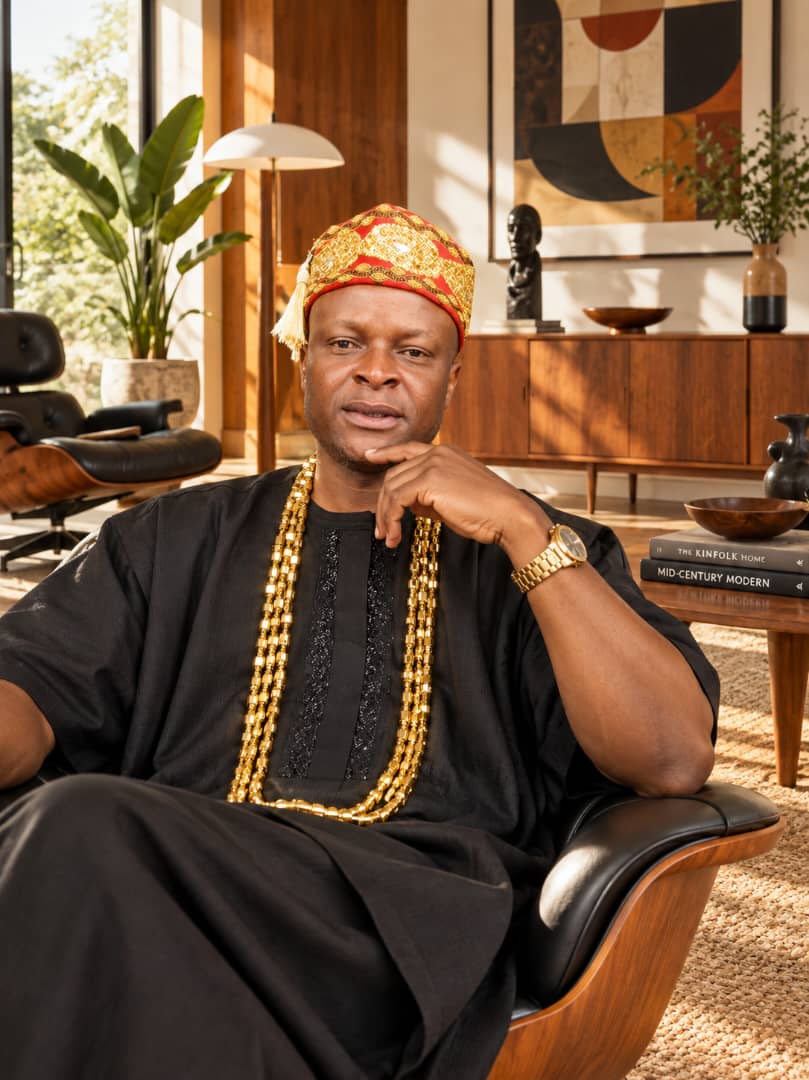
A major partner and principal educational technology sponsor of the fair was Astria Learning, led by its Founder and Chief Executive Officer, Dr. Jeff Bordes.
Bordes, an educational technology entrepreneur and Forbes Business Council member, established the company in 2012 to provide digital infrastructure and operational support for higher institutions offering online degree programmes.
The organisation provides learning management systems, student management systems and AI-assisted digital libraries, alongside admissions, student support and academic administration services.
With more than 250 personnel and a reported global reach of over 1.2 million working professionals empowered to earn degrees without leaving their jobs, Astria Learning operates in Nigeria, Ghana, Uganda, Malawi, Zambia and Tanzania.
Speaking at the event, Bordes warned that technological advancement and automation were rapidly transforming employment opportunities, placing greater demands on graduates to acquire relevant digital and professional skills.
He noted that Nigerian graduates were increasingly competing in a global employment market where geographical boundaries were becoming less significant.
“The global job market is not waiting for anyone. With Artificial Intelligence and automation reshaping industries overnight, Nigerian graduates are no longer competing locally, they are competing on a borderless global stage,” he said.
Bordes urged students not to postpone acquiring digital competencies until after graduation, stressing that preparation for professional careers must begin while they were still in the university.
He said Astria Learning’s partnership with the University of Ibadan was aimed at accelerating graduate readiness through access to digital learning resources, personalised skills development pathways and scalable career preparation programmes.
Corporate organisations, student leaders support initiative
The career fair also attracted support from several corporate organisations and financial institutions.
Maduka acknowledged the contributions of Astria Learning and other sponsors, including First Bank Plc, Aradel Holdings, Optimus Bank, Afe Babalola & Co., Stanbic IBTC Pension Managers, Sumal Group of Companies and Beta Glass Plc, represented by Dr. Omobolanle Lawal.
Others included Deloitte Nigeria, represented by Mr. Adekola Adekunle, and the DAAD Regional Office in Accra, represented by Mr. Lasmothey.
She also commended the student volunteers who contributed to organising the event, including Ademola Favour Idowu, Hamidat Ajibade, Christiana Joel, Oyinbusola Igbehinadun, Gideon Ujata, Cindy Opara and Bamigbade Emmanuel.
In his remarks, the President of the University of Ibadan Students’ Union Government, Comrade Adeboye Temidayo, urged students across faculties and halls of residence to participate actively in the programme.
He said the career fair provided a valuable opportunity for undergraduates to engage directly with corporate executives, human resource professionals and industry leaders who could offer guidance on internships, employment and international scholarship opportunities.
Temidayo observed that students must look beyond academic grades and develop practical knowledge, professional networks and workplace experience to improve their employment prospects.
Students applaud career exposure
Participants also expressed satisfaction with the opportunities provided by the fair, describing the engagement with corporate leaders and industry professionals as an eye-opener.
In an interview with CEO Africa, Blessing Adeleke, a final-year student, said the event had changed her perception of what employers expected from graduates.
She noted that beyond academic performance, effective communication, emotional intelligence, adaptability, digital proficiency and intentional professional networking were essential to building successful careers.
According to her, the interactions and practical insights provided by the event offered lessons that could not easily be acquired through classroom instruction alone.
The fair featured employer engagement sessions, personal branding masterclasses, curriculum vitae review clinics and networking opportunities, connecting undergraduates and recent graduates with representatives of multinational companies, technology firms and financial institutions.
Organisers and participants expressed optimism that the initiative would strengthen collaboration between universities and industry while improving the preparedness of Nigerian graduates for employment in an increasingly competitive global economy.
Read Also:The Human Firewall – Why The First Line of Defence Runs in Both Directions
The organisers also expressed hope that the continued training programmes, digital inclusion initiatives and internship tracking system would sustain the impact of the 2026 edition beyond the event itself.



Leave a Reply