
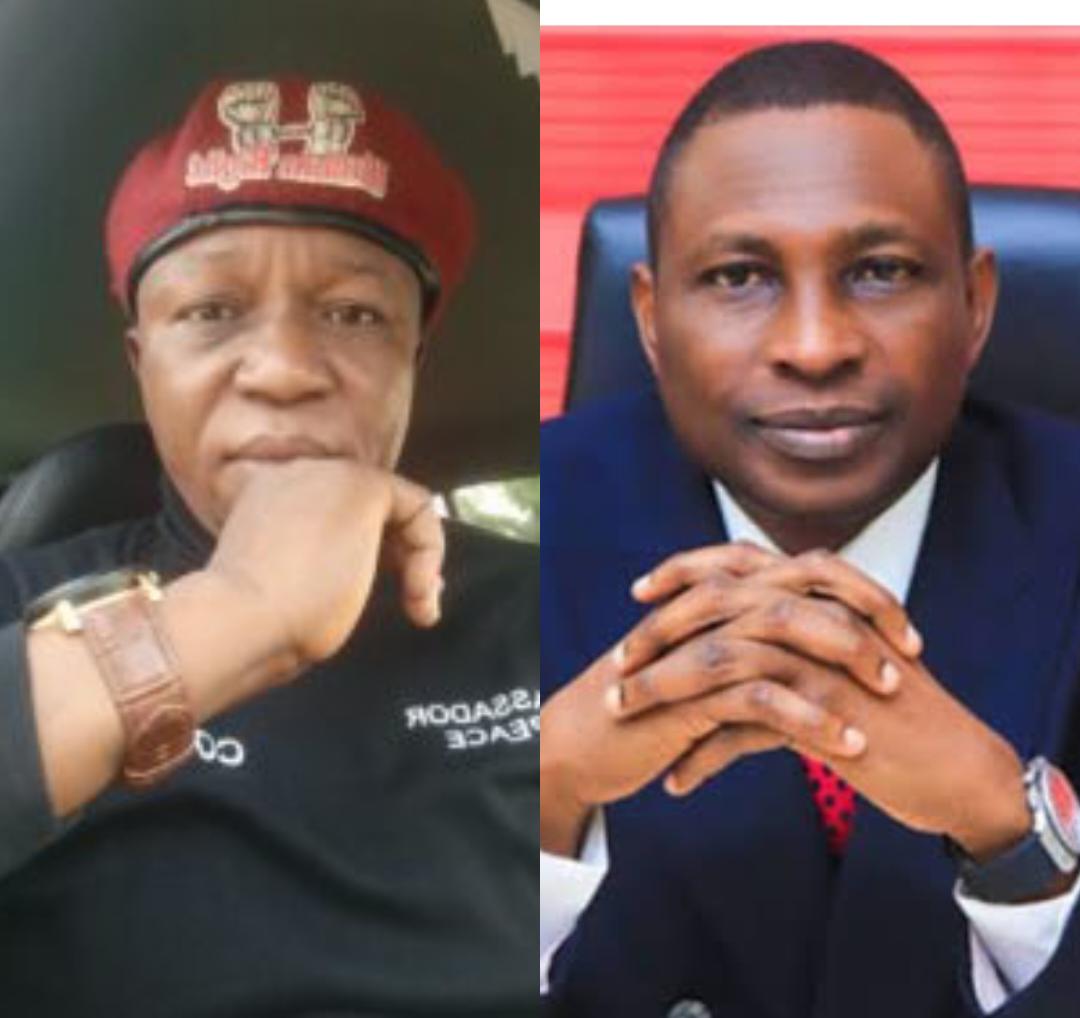
Activist Calls for EFCC Chairman’s Removal, Alleges Selective Anti-Graft War
By Naomi Onome
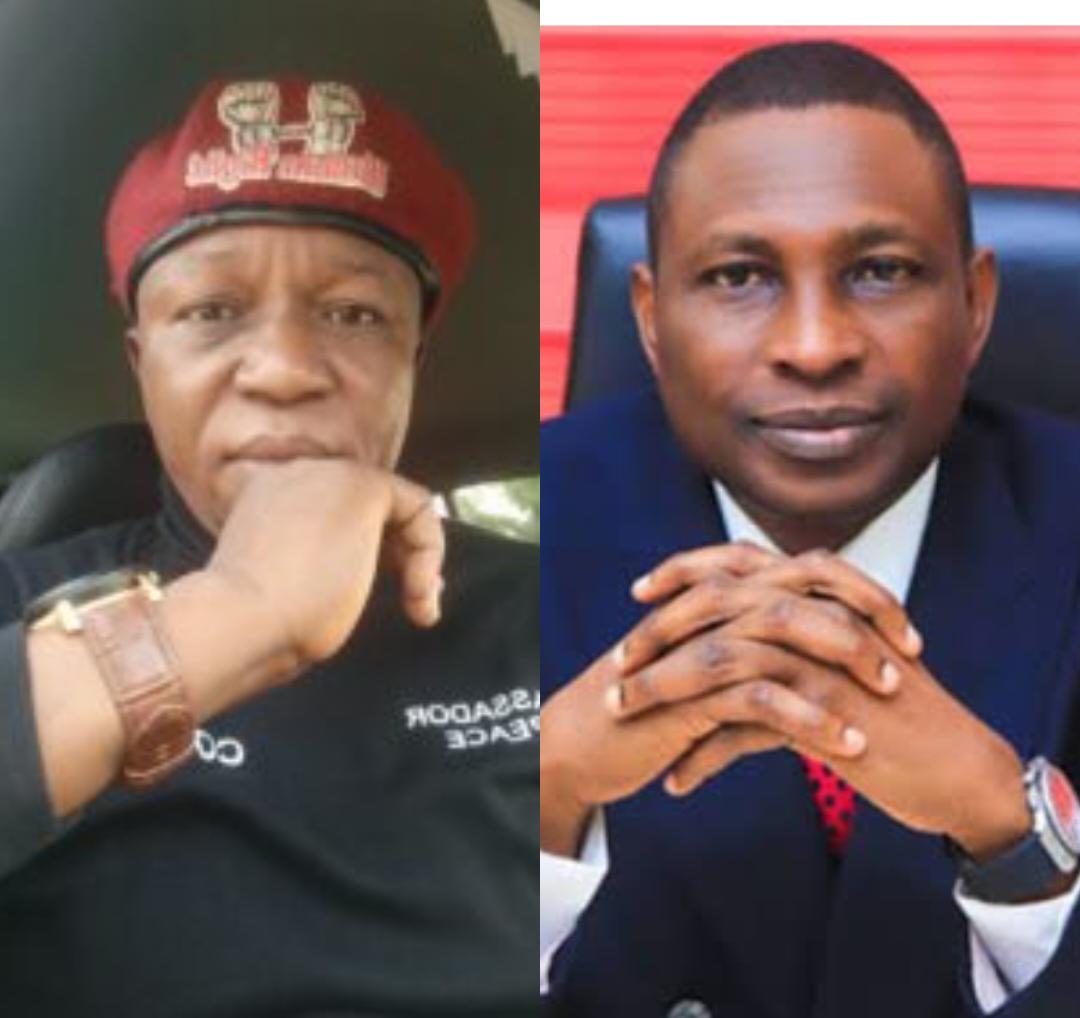
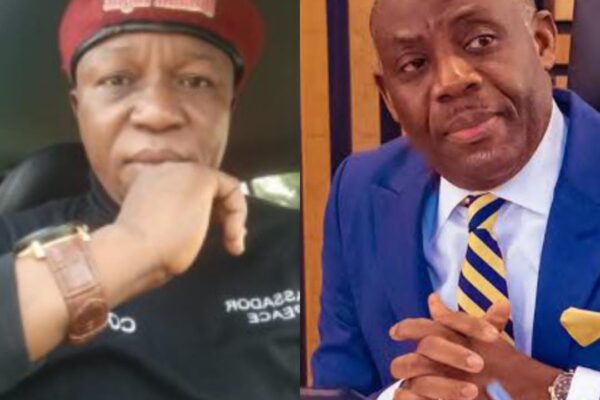
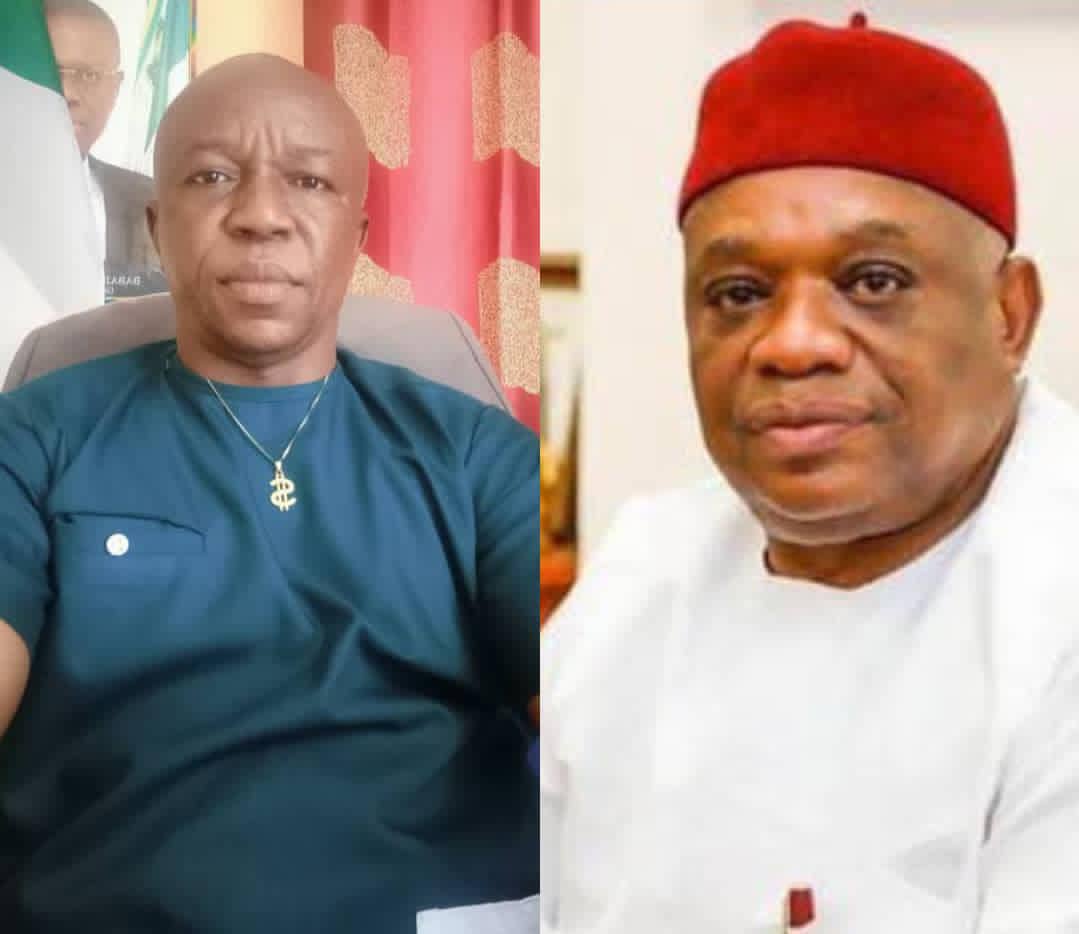
A human rights activist, Comrade Prince Saviour Iche, has called for the resignation of Mr. Ola Olukoyede, the Chairman of the Economic and Financial Crimes Commission (EFCC), accusing the anti-corruption agency of failing in its mandate and allegedly succumbing to political influence.
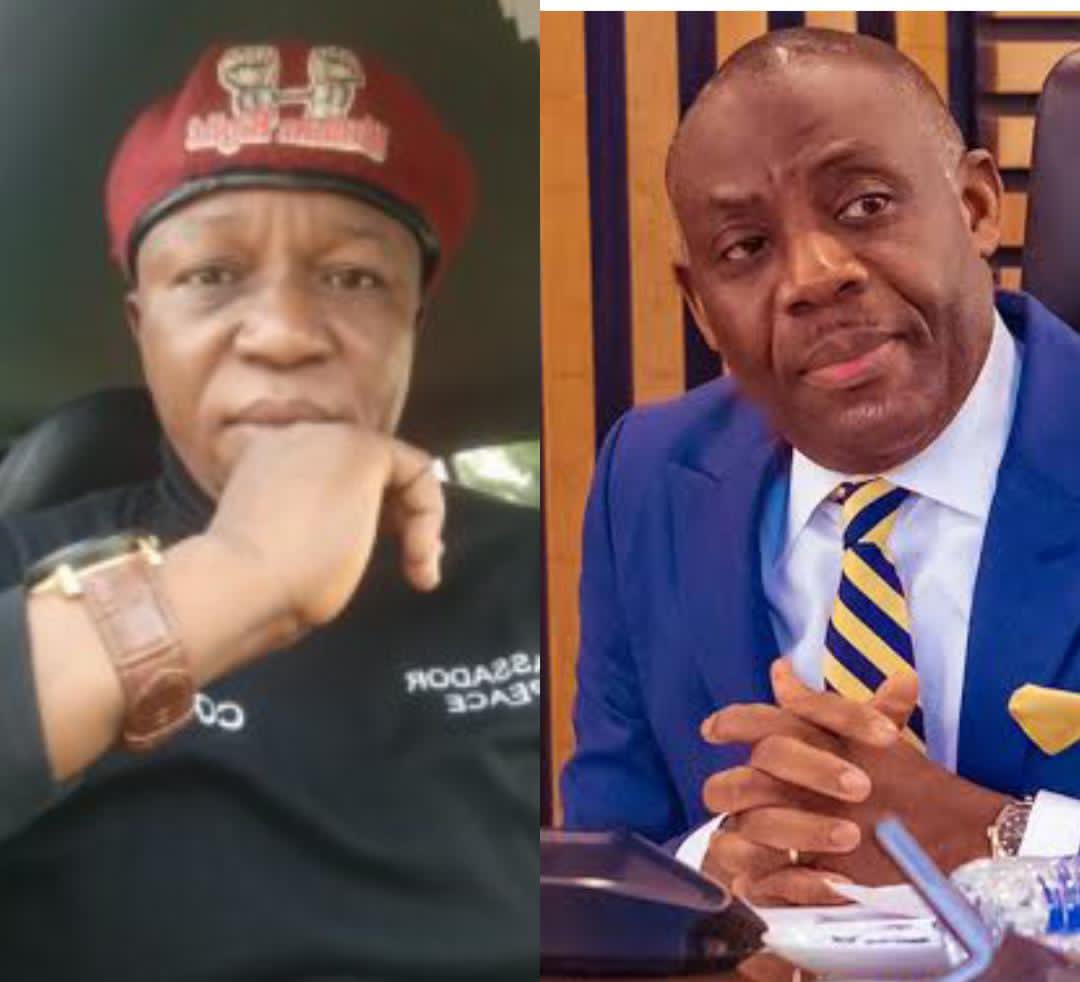
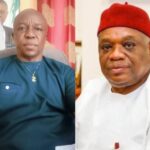
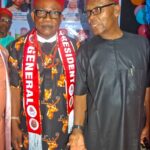
In a strongly worded statement, Comrade Iche described the country’s fight against corruption as ineffective, alleging that the EFCC has become selective in its operations. According to him, the agency appears to target “low-level offenders” while high-profile political figures evade accountability. He argued that Nigeria’s anti-corruption war would only gain credibility when the EFCC operates with full independence, free from interference by political actors.
Iche further expressed concern over what he described as a pattern where politicians under investigation defect to ruling parties and subsequently avoid prosecution. He cited cases involving prominent figures, including former Abia State governor Orji Uzor Kalu, former Edo State governor Godwin Obaseki, and Senate President Godswill Akpabio, alleging that anti-graft investigations against them have either stalled or lost momentum.
However, the statement also referenced former Kogi State Governor Yahaya Bello, who has faced corruption allegations in the past. Iche criticised what he described as the failure of authorities to ensure accountability, despite public claims and reported evidence by the EFCC.
He further alleged that political considerations influence enforcement actions, pointing to what he described as inconsistent treatment of political figures, including former Kaduna State governor Nasir El-Rufai. According to him, individuals perceived to be outside the ruling political structure face greater scrutiny.
Iche also criticised past administrations, including that of former President Muhammadu Buhari, claiming that anti-corruption efforts did not significantly impact high-level corruption. He referenced the case of former Central Bank Governor Godwin Emefiele as one of the few prominent prosecutions.
Raising broader economic concerns, Iche linked Nigeria’s rising debt profile to alleged corruption and mismanagement of public funds. He argued that resources that could have been recovered through effective anti-corruption measures are instead lost, worsening economic hardship for citizens.
The statement also touched on Nigeria’s international image, with Iche expressing concern that corruption and governance challenges have contributed to negative perceptions of Nigerians abroad.
He concluded by urging reforms that would strengthen institutional independence, ensure accountability among public officials, and restore public confidence in the anti-corruption framework.

Leave a Reply