
Iriji 2026: Eze Nwokedi Marks New Yam Festival With Massive Philanthropic Gesture, Supports the Elderly
By Naomi Onome
The Ezendigbo of Ijegun-Ijedodo and Eze Okpoko I of Obodoukwu, Eze Dr. Chika Nwokedi, has celebrated the 2026 Iriji (New Yam) Festival with a colourful gathering of traditional rulers, community leaders, titled men and women, cultural groups and other dignitaries in Lagos.
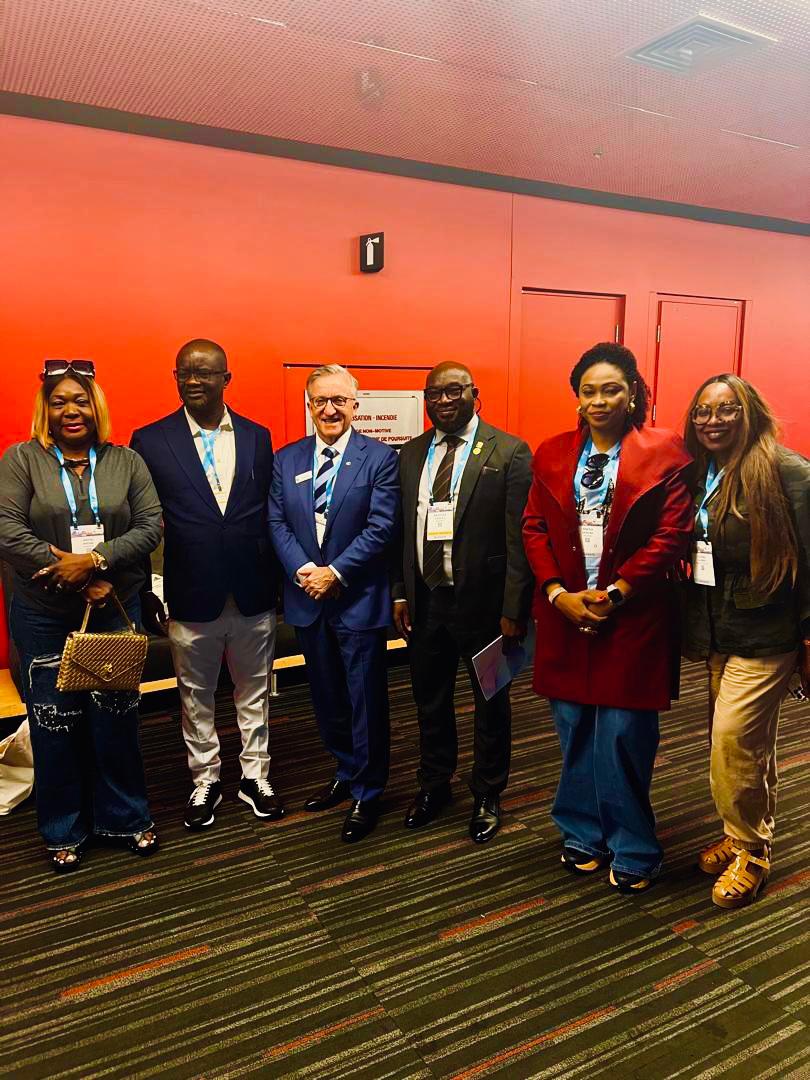

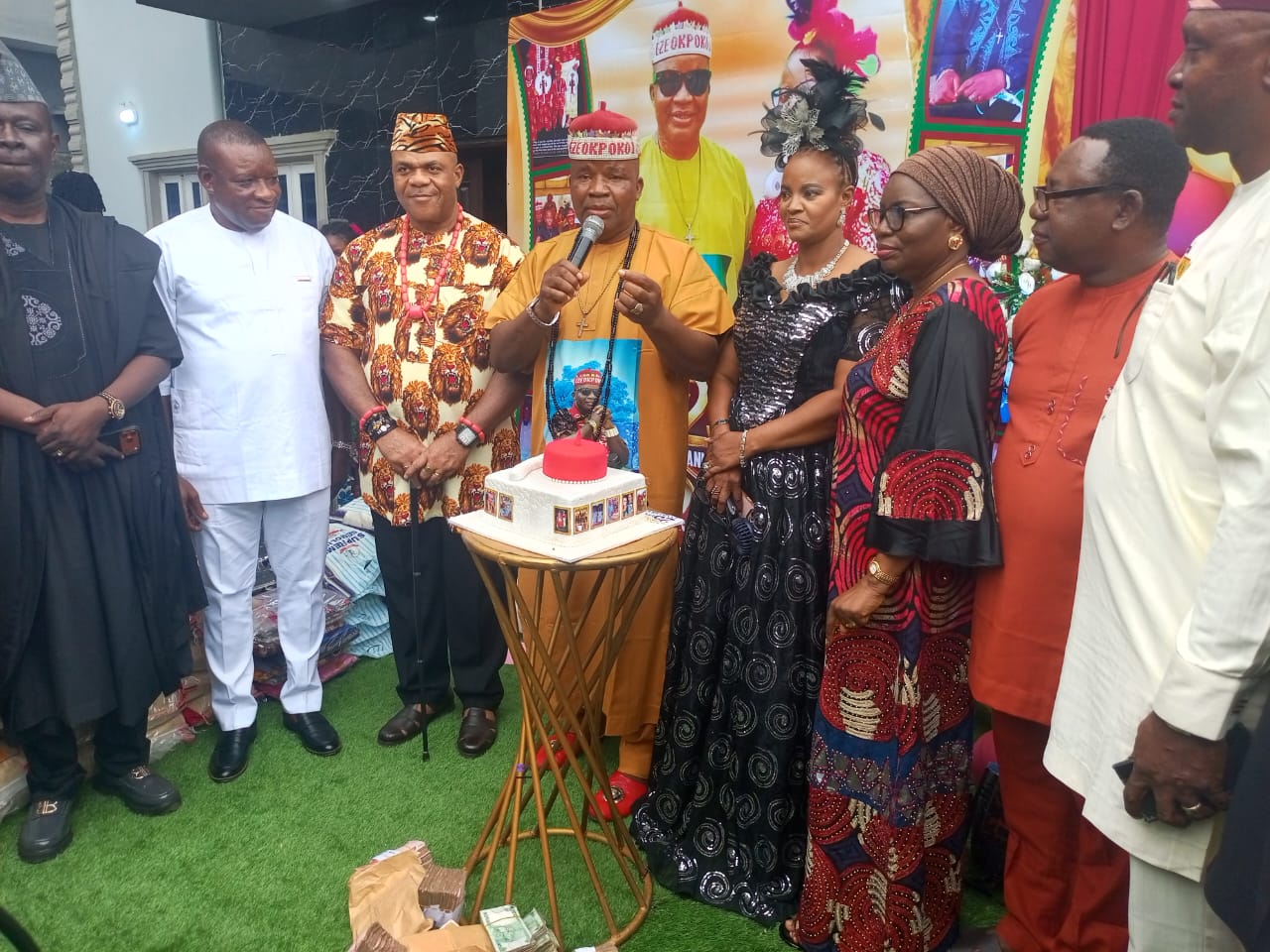
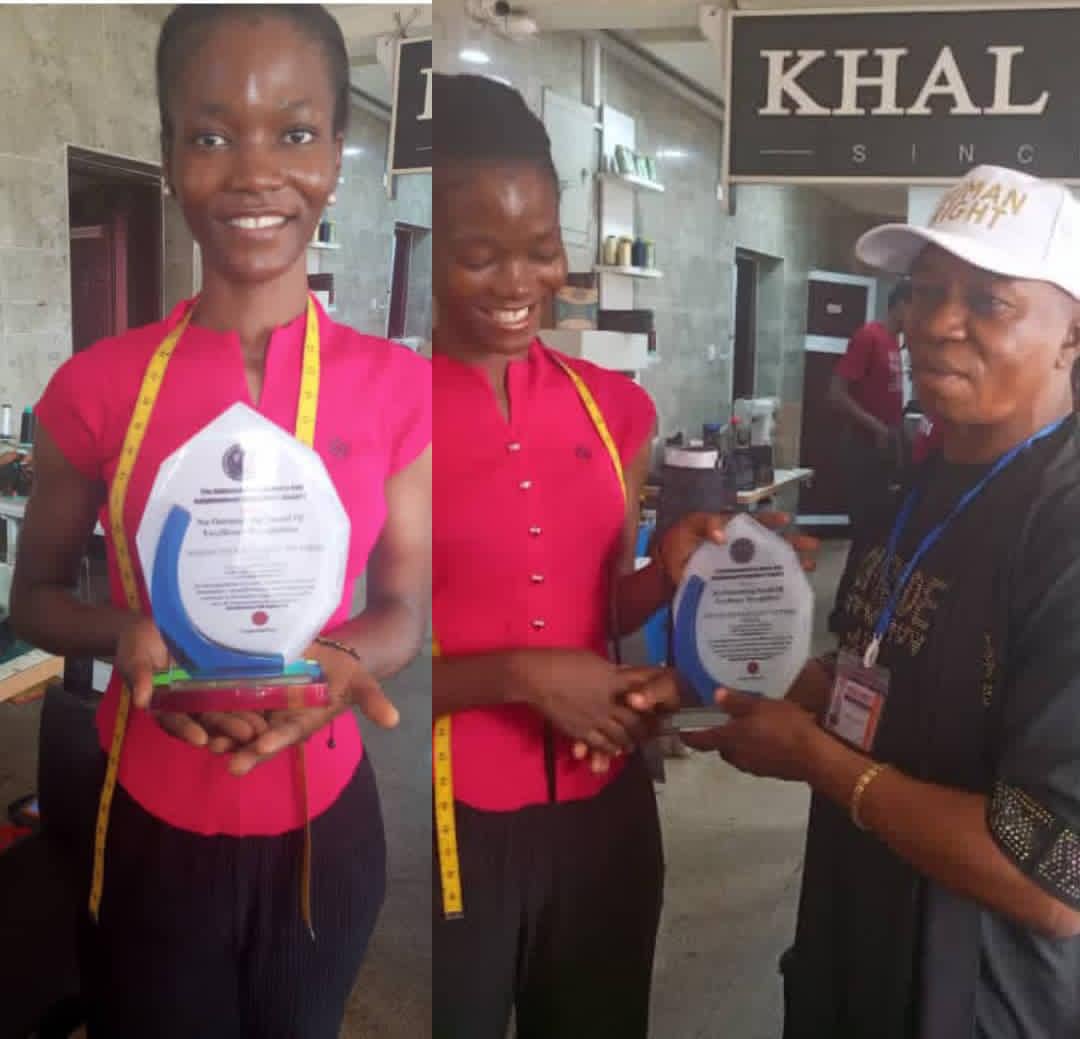
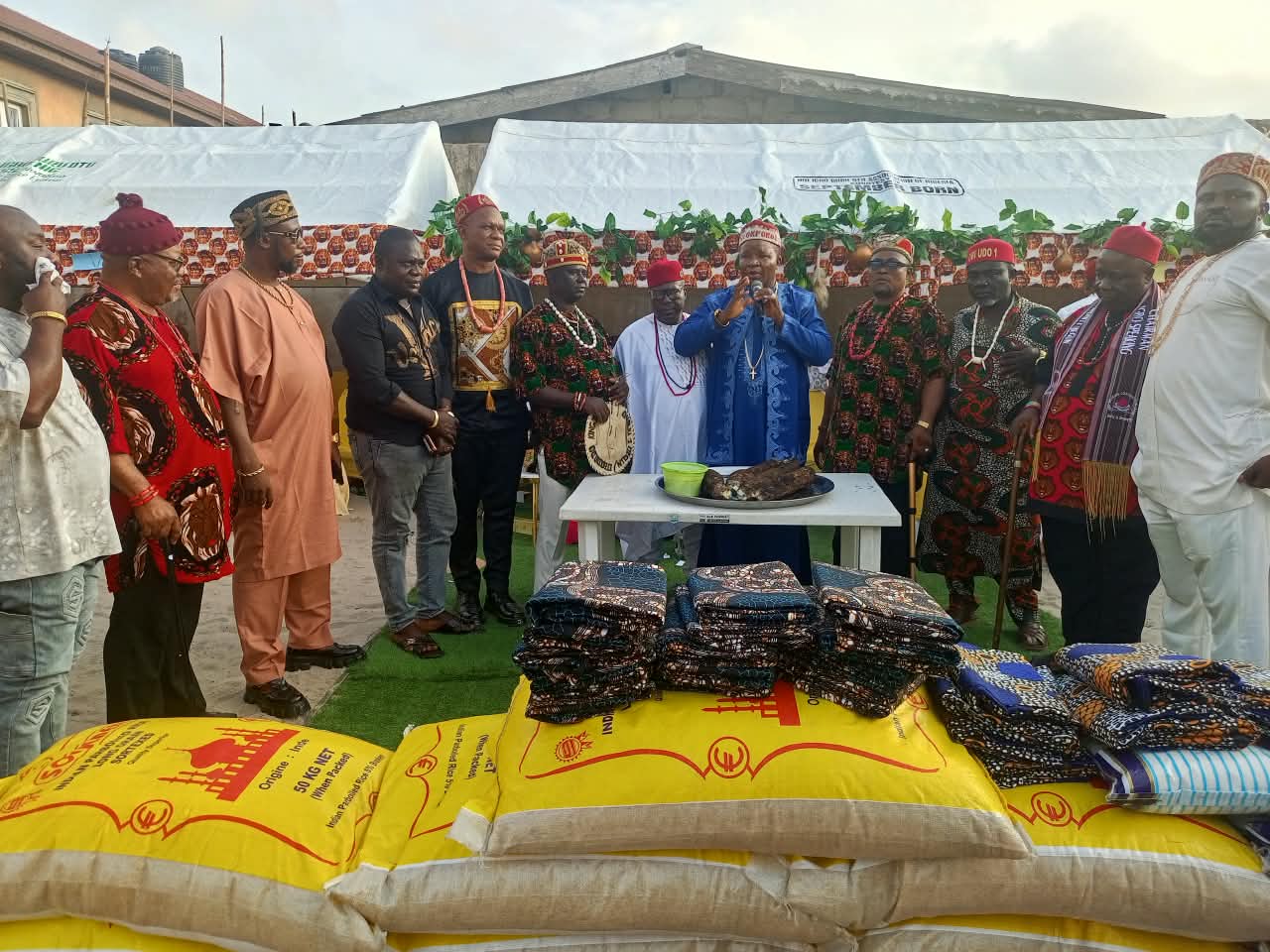
The annual celebration, held on September 20, 2026, combined the traditional rites of thanksgiving for a new harvest with prayers, cultural displays, entertainment and a major philanthropic gesture by the host.
One of the major highlights of the celebration was Nwokedi’s distribution of bags of rice, semovita and other food items, Ankara materials, wristwatches and other gifts to guests and beneficiaries.
He also gave cash gifts totalling more than N200,000 to Beatrice Ngozi Ibundun, an elderly woman aged 72 years and other beneficiaries at the event, while encouraging other guests to support those in need.
Nwokedi said his philanthropy was not dependent on having enormous wealth, stressing that his philosophy of giving was rooted in his desire to touch lives and serve humanity.
According to him, his giving is also connected to his spiritual calling and a tradition handed down by his forefathers.
Read more:Eze Chika Nwokedi Receives Car Gift for Outstanding Humanitarian Service as Ndigbo BuruOtu Association Celebrates August-Born Members
He recounted the story of an unindentified woman who attended the festival and offered N1,000 during the breaking of the kola nut. Nwokedi said he was moved to support her after sensing that the money she offered was all she had.
He subsequently gave her N100,000 and other gifts, after which other guests also contributed money to her, reportedly raising her total benefit to about N400,000.
Nwokedi said the woman later confirmed that she had borrowed money to attend the event because she was determined to see him, having benefited from his generosity on previous occasions.
He said the incident reinforced his belief that acts of kindness can create opportunities for people in unexpected ways.
“I don’t have massive wealth, but I have the heart of giving,” Nwokedi said, adding that he believes every person would eventually be accountable for the lives they touched during their lifetime.
He explained that Iriji represents thanksgiving for life, harvest and divine protection, noting that traditional rites preceding the feast, including the sacrifice of animals, symbolise thanksgiving and prayers for protection.
He also referred to the biblical account in Exodus 12:13, where God told the Israelites: “And the blood shall be to you for a token upon the houses where ye are: and when I see the blood, I will pass over you.”
Nwokedi said the passage informs his understanding of the symbolism of blood in the traditional prayers associated with the festival.
Speaking on the importance of preserving Iriji among Igbos in the diaspora, he urged people to sustain their culture according to their circumstances and convictions.
He cautioned that people should not engage in activities beyond their means simply because others were doing so, stressing that philanthropy should be guided by one’s capacity and calling.
The cultural significance of the festival was also highlighted by Mr. Charles Kelechi Nelson Ngbe, Chairman of Ndi-Igbo in Ijegun-Ijedodo.
Ngbe described the New Yam Festival as a period of thanksgiving to God for life and the opportunity to witness another harvest.
He urged Igbo youths to learn their language, customs and traditions and pass them on to their children, warning that people who lose touch with their roots could eventually become strangers to their own heritage.
Other speakers similarly described yam as a central crop in traditional Igbo society and explained that the festival marks the commencement of eating the year’s new harvest.
Barr. Ene Vincent Ifeanyichukwu described Nwokedi as a philanthropist whose activities provide an example for other Igbo leaders to emulate.
Chief Arinze Opkara, CEO of RH Mega Resources Limited, Ghana and Nigeria, who travelled from Ghana for the celebration, commended Nwokedi for promoting Igbo culture and bringing people together.
Opkara stressed the importance of preserving Igbo heritage among people living outside Nigeria, particularly by teaching children the Igbo language and traditions so that they would remain connected to their ancestral roots.
Newly coronated Super High Chief Urukanachukwu said his new title comes with a responsibility to promote unity, compassion and support for the less privileged.
He said he was inspired by the leadership and humanitarian example of Eze Okpoko 1, whom he described as a mentor. According to him, he intends to emulate the monarch by helping people in need, supporting those unable to meet their obligations and fostering unity among the Igbo.
This is another opportunity to own a faster-loading website to expand your business and take it digitally online. Meet the best website designer/master coder for any kind of website. Contact them now it is affordable Chat now: 09077260922
Urukanachukwu also said the New Yam Festival provides an opportunity for Igbo people to reconnect, build relationships and strengthen their sense of community.
He expressed appreciation for the honour, saying he would continue to learn from Eze Okpoko 1 and use his new position to make a positive impact.
Similarly, Eze Chukwuemeka Sylvanus Onuoha, Ezendigbo of Iyana-Iba, described the festival as an avenue for Igbo children to learn their customs and traditions.
He appealed to Igbo leaders and cultural organisations to prioritise unity, saying disputes and supremacy struggles should not overshadow the original purpose of organisations established to promote peace, cultural preservation and mutual assistance.
Eze Okparaku Boniface, Bobaselu of Ikotun Land, said the New Yam Festival remained an important part of Igbo traditional heritage and should be preserved without infringing on the culture and laws of host communities.
He particularly encouraged parents in the diaspora to teach their children the Igbo language, saying language remains an important part of cultural identity.
The festival also featured the breaking of kola nuts, traditional music and dances by members of the Igbo Speaking Community, Ohaneze Ndigbo and the Eze Okpoko dance group, as well as the ceremonial eating of the new yam.
Among those who attended were Eze Monday Lawrence Obijogu, popularly known as Eze Monday Lawrence Obi JP or Ezedioranma 1; Eze Okparaku Boniface; Eze Chukwuemeka Sylvanus Onuoha; Barr. Ene Vincent Ifeanyichukwu; palace chiefs; members and executives of the Igbo Speaking Community and Ohaneze Ndigbo; representatives of various associations; and security personnel from the Nigerian Army, Police and NSCDC.
Goat Sacrifice Symbolises Thanksgiving, Protection
Explaining the significance of the goat sacrifice conducted before the festival, Chief Chika Victor Okeoma said the ritual was performed as a covenant and prayer for the protection of members of the traditional cabinet, their wives, children and the wider community.
He said the shedding of the animal’s blood symbolised a prayer that members of the community would be protected from death and other misfortunes throughout 2026.
According to Okeoma, the sacrifice is part of the traditional observance accompanying the New Yam Festival in his community.
Chief Chukwuemeka Ezurike, founder and leader of Obi Udo Traditional Association, similarly explained that, in some traditional settings, an animal such as a cow, goat or fowl is sacrificed before the new yam is eaten.
He said the practice represents thanksgiving for being alive to witness another harvest and a prayer for continued protection and guidance into another year.
Ezurike explained that the New Yam Festival is primarily a celebration of harvest and an important aspect of Igbo cultural heritage. He said yam is traditionally regarded as the “king of crops” because of its historical importance in Igbo society.
Chief Emeka Onwukaobi, the Onowu of Ijegun-Ijedodo, also described the festival as a cultural tradition handed down from generations, noting that yam occupies a special position in Igbo society.
He explained that the festival traditionally marks the period when people begin to eat the year’s newly harvested yam after the required cultural observances have been performed.
The explanations about the sacrifice reflected traditional beliefs expressed by the participants that the ritual serves as thanksgiving and a symbolic plea for protection against death and misfortune. The practice, however, varies among Igbo communities.
Chief Godwin Anaeme (Akajiofo) explained that the sacrifice of the goat symbolises the shedding of blood in place of human lives. He said the act is rooted in the belief that God instructed that a ram be offered on His altar. According to him, the sacrifice represents protection, as the goat’s blood is believed to stand in place of human blood and cleanse the community of evil plans and afflictions attributed to the devil.
For Nwokedi, the 2026 Iriji celebration went beyond the eating of new yam. It became an occasion for thanksgiving, cultural preservation, community bonding and, most significantly, extending a helping hand to people in need.
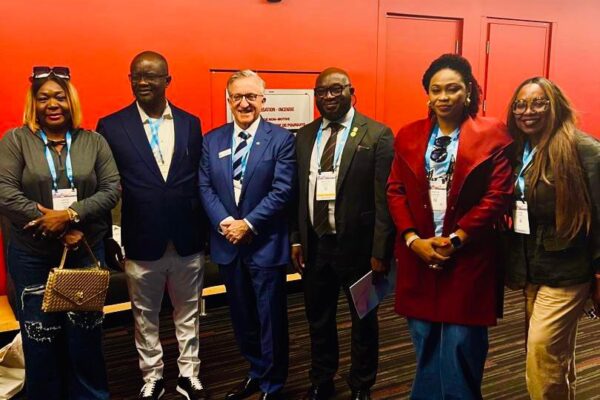
More photos from the event:



Leave a Reply