Why Correcting False Narratives About Abortion Matters for Community Health: Inside LIFE’s 3-Day Workshop for Lagos Health Workers

Why Correcting False Narratives About Abortion Matters for Community Health: Inside LIFE’s 3-Day Workshop for Lagos Health Workers
By Naomi Onome
For many Nigerians, abortion is a topic wrapped in silence, discomfort, and strong personal beliefs. But behind the debates and misunderstandings lies a simple truth: unsafe abortion is a major contributor to preventable maternal deaths, and families across the country continue to feel the impact. When women and girls don’t know where to turn, or fear being judged, they often resort to unsafe methods that put their lives at risk.
This is why the Leadership Initiative for Youth Empowerment (LIFE) organised a threeday capacitybuilding workshop for health workers across Lagos State. Rather than focusing on politics or controversy, the workshop centred on something most people can agree on every woman deserves safe, respectful, and lifesaving care when she needs it.
Creating a Safe Space for Honest Conversations
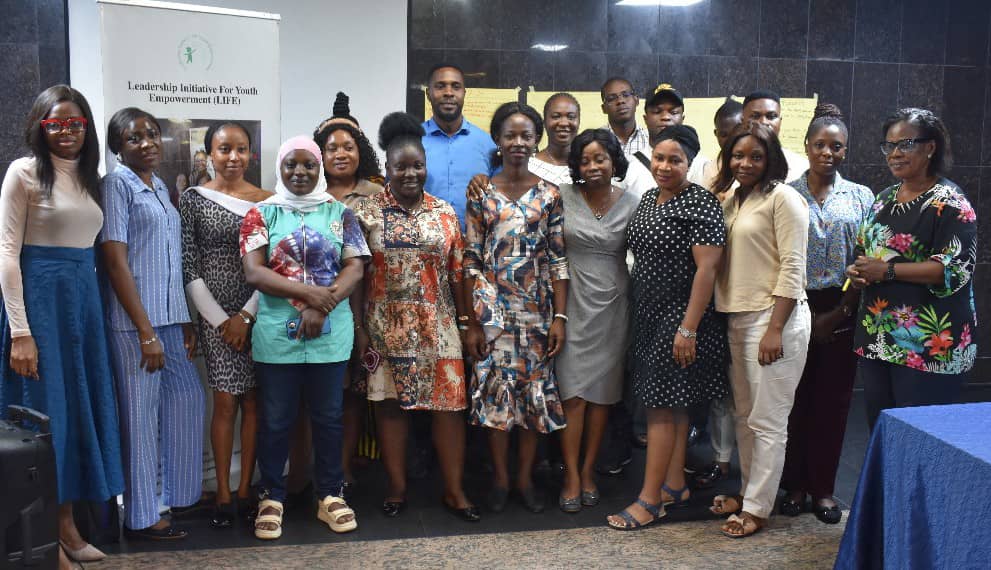
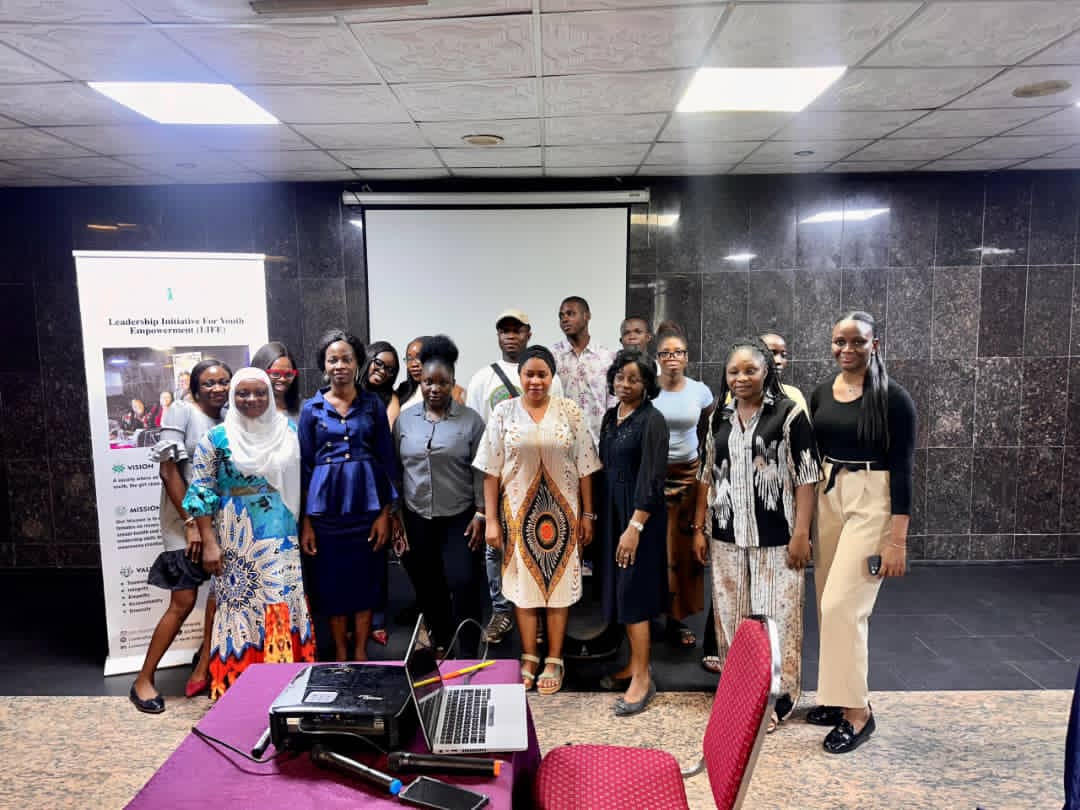
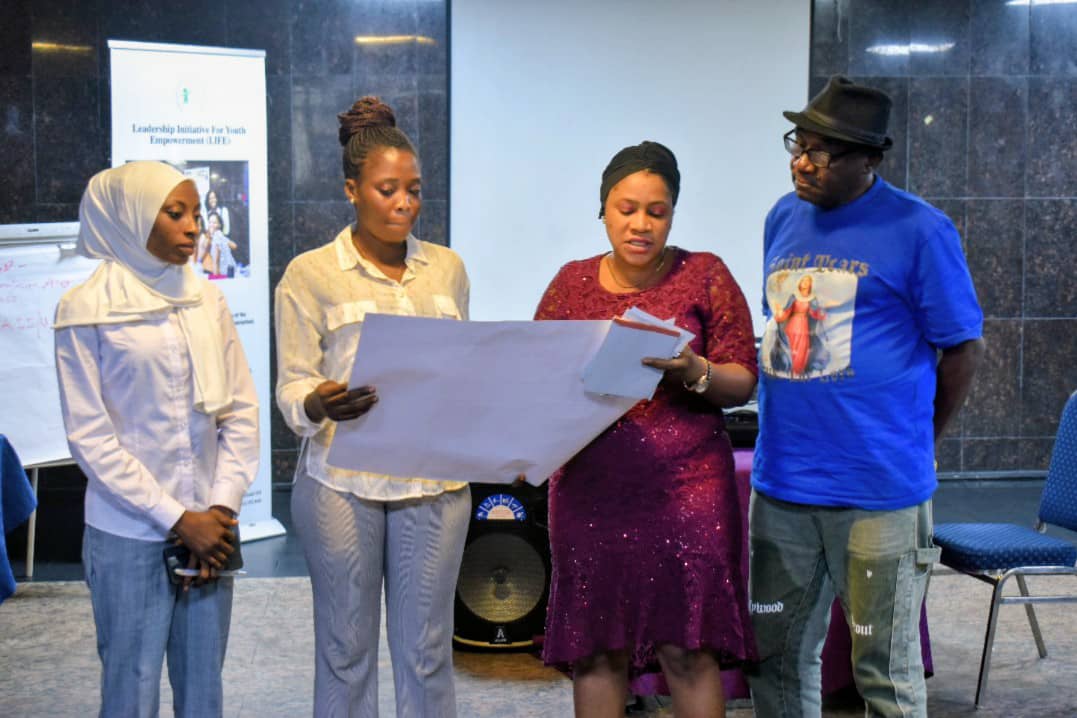
The workshop, held from November 25 to 27, 2025, brought together health workers from public and private facilities for an open, practical discussion about unsafe abortion, stigma, and the role of healthcare providers in reducing maternal mortality.
Led by Dr. Sholakunmi Olusanya, a publichealth physician with the Lagos State Health Service Commission, the sessions focused on how false narratives and misconceptions about abortion contribute to fear, shame, and delayed care. Dr. Olusanya emphasised that misinformation doesn’t just mislead, it can cost lives.
Participants explored how stigma affects women’s decisions, how myths spread within communities, and how health workers can use clear, compassionate communication to counter harmful narratives.
Understanding PostAbortion Care: What It Really Involves
A major part of the workshop focused on postabortion care, which is often misunderstood. Health workers discussed the essential components, including:
*Emergency treatment for complications
Managing infections.
*Emotional and physical counselling
*Contraception and family planning
*Broader reproductive health services
These services are not about encouraging abortion, they are about saving lives when complications arise, whether from a miscarriage or an unsafe procedure.
Connecting Reproductive Health to Global Goals
Dr. Olusanya also linked Sexual and Reproductive Health and Rights (SRHR) to the Sustainable Development Goals (SDGs), especially SDG 3, which focuses on ensuring healthy lives and promoting wellbeing for all. She stressed that achieving these goals requires the involvement of community leaders, religious leaders, and other influencers who can help spread accurate information and reduce stigma.
Her message was clear: health workers cannot do this alone. Community voices matter. Why Myths and Stigma Are So Harmful. Throughout the workshop, participants examined common myths, such as the belief that abortion always causes infertility or that only “immoral” women seek it. These misconceptions fuel stigma, which in turn leads to:
Social isolation
Fear of seeking help
Delayed medical care
Increased unsafe abortions
Dr. Olusanya highlighted that stigma is not just a social issue, it is a public health issue. When women feel judged or ashamed, they avoid care until it is too late.
A Look at the Legal Landscape; And Why It Matters
The workshop also explored Nigeria’s complex legal framework. While abortion is restricted, it is legally permitted to save a woman’s life. A landmark ruling in June 2025 expanded this to include survivors of rape and sexual violence.
However, many health workers and community members remain unaware of these provisions. This lack of clarity creates hesitation, fear, and inconsistent care, even in emergencies where quick action is essential.
Participants discussed how regional differences in the law, combined with cultural and religious beliefs, contribute to confusion and stigma. This makes it harder for health workers to provide even legally permissible services.
VCAT: Helping Health Workers Reflect on Their Own Values
One of the most impactful parts of the workshop was the introduction of VCAT, Values Clarification and Attitude Transformation. This exercise helps health workers reflect on their personal beliefs, understand how those beliefs influence their behaviour, and learn how to provide nonjudgmental care even when they hold strong personal views.
VCAT encourages:
Selfawareness
Respectful dialogue
Reduced stigma
Patientcentred care
For many participants, this was a powerful reminder that empathy and professionalism go hand in hand.
Why This Matters for Everyday Nigerians
For people who may feel unsure or conflicted about abortion, the workshop’s message offers a balanced perspective: you don’t have to support abortion to support saving women’s lives.
Most Nigerians value compassion, fairness, and community responsibility.
When a woman is facing a medical emergency, whether from complications, miscarriage, or an unsafe procedure, what she needs most is care, not judgment.
By correcting false narratives, improving communication, and strengthening community awareness, health workers can help reduce preventable deaths and ensure that women receive the support they need.
Looking Ahead: Building a More Informed and Compassionate Society
The workshop ended with an open discussion where health workers shared reallife experiences from their facilities. Their stories reflected a range of views but a shared commitment to reducing maternal mortality.
The path forward includes:
Better public education
Stronger community engagement
Clearer policies
Continued training for health workers
Reducing stigma through honest conversations
LIFE’s initiative is a reminder that progress begins with understanding, and that when communities come together to challenge misinformation, lives can be saved.