Religious Sisters of Charity and AMPEF Join Forces to Fight Against Human Trafficking in Nigeria


Religious Sisters of Charity and AMPEF Join Forces to Fight Against Human Trafficking in Nigeria
By Naomi Onome
Lagos, Nigeria —
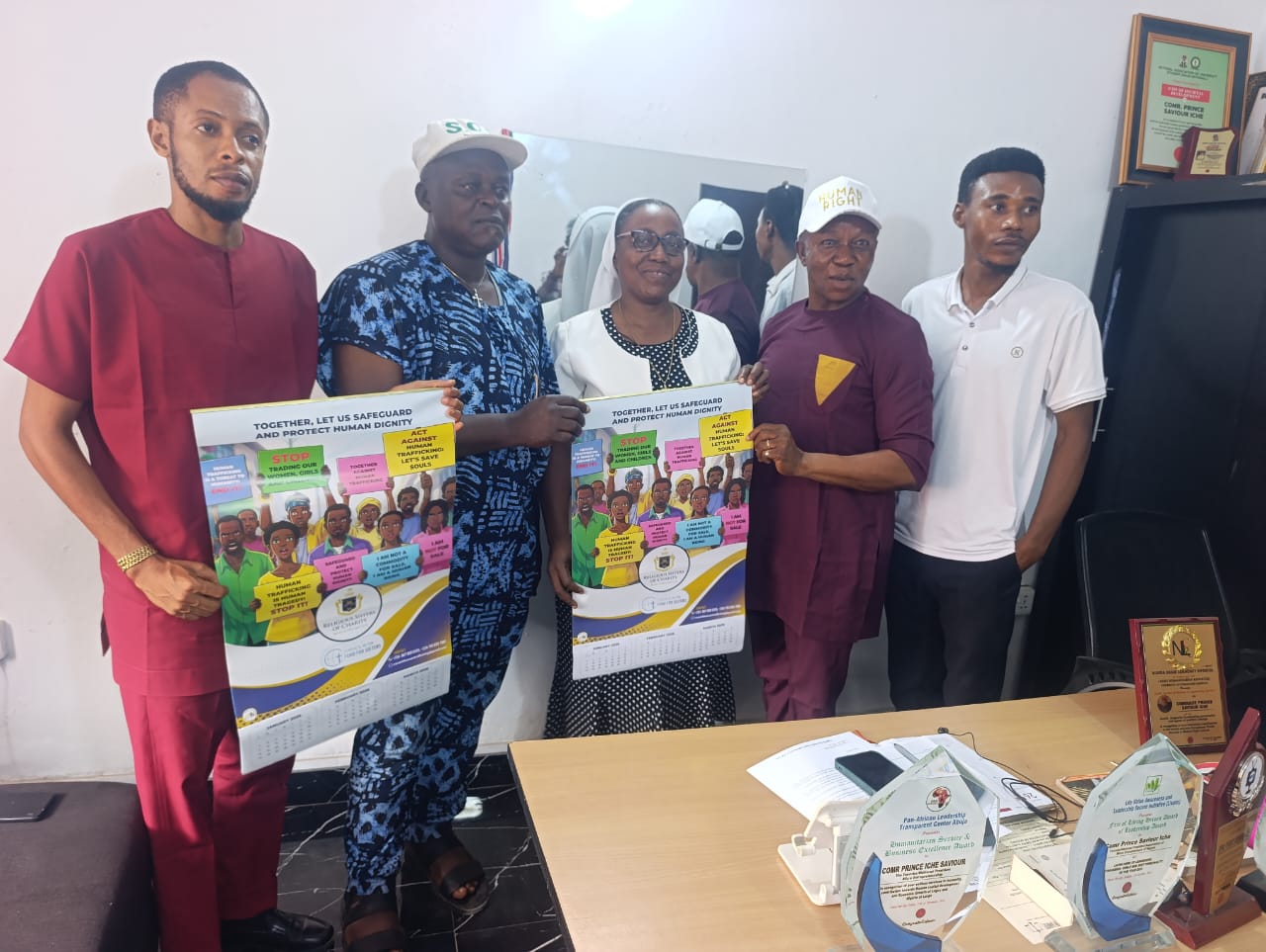
The Religious Sisters of Charity have reaffirmed their commitment to combating human trafficking and protecting vulnerable populations as they seek stronger partnerships with Ambassadors for Peace and Enlightenment Foundation ‘AMPEF’ and other key stakeholders, including government agencies and civil society organisations.
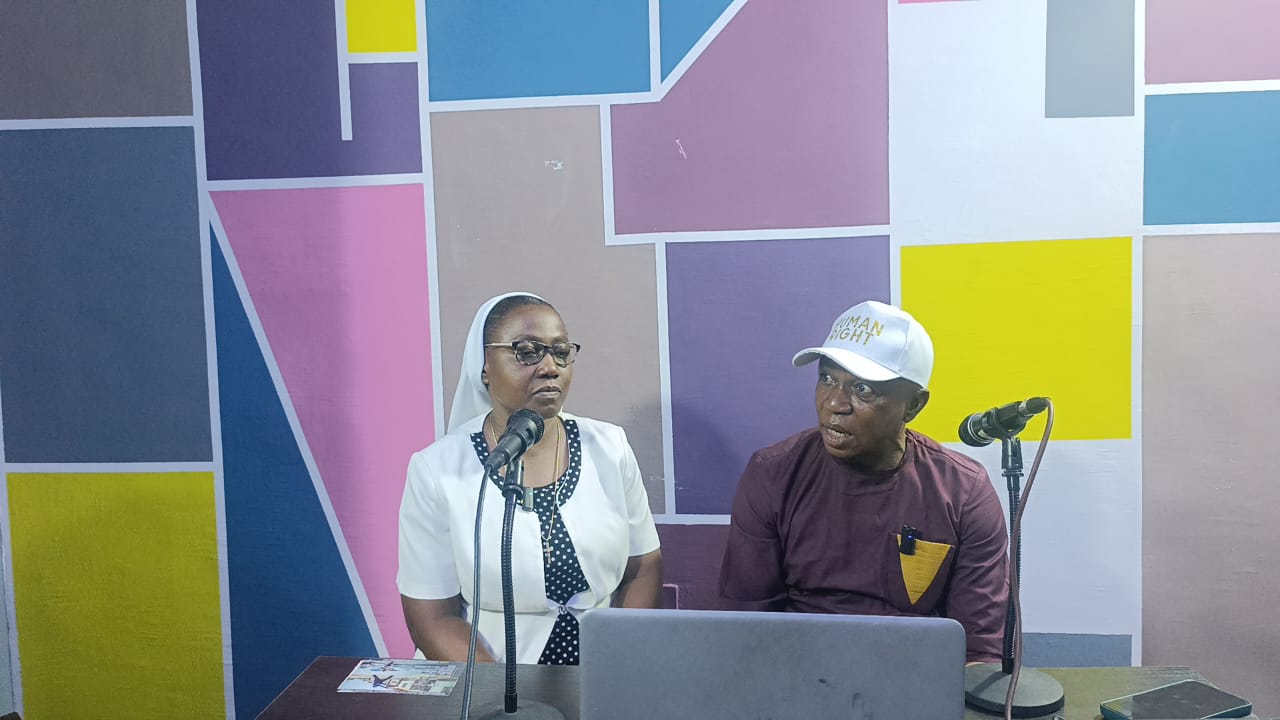
Speaking during a recent engagement, Sister Augustina Ebere Offor RSC, a representative of the congregation, emphasised the group’s dedication to humanitarian work and advocacy against human trafficking through its specialised unit known as the Religious Sisters of Charity and Human Trafficking Unit.
According to her, the unit focuses on raising awareness, rescuing victims, and supporting their rehabilitation and reintegration into society. “We believe in humanity, and anyone who fights for humanity is our partner,” she stated, highlighting the group’s mission to collaborate widely in addressing the persistent challenge of human trafficking.
Sister Offor noted that despite ongoing efforts by various organisations, many people still lack a clear understanding of what human trafficking entails. To bridge this gap, the Sisters have intensified grassroots sensitization campaigns in schools, churches, and rural communities, including riverine areas.
She explained that the organisation also works closely with law enforcement agencies, shelters, and other partners to rescue victims, trace their families, and provide empowerment programmes. Some survivors are placed in shelters where they receive vocational training, while others are reintegrated directly into their families.
Sharing a recent case, she recounted the story of a young woman who was trafficked to Lagos and escaped exploitation twice, only to be mistakenly detained by police before her situation was verified. With coordinated intervention, the victim was rescued, rehabilitated, and eventually reunited with her family after years of separation. She has since completed vocational training and is in the process of rebuilding her life.
While acknowledging the emotional toll of such cases, Sister Offor said they also provide hope. “It is a lifetime process, but seeing someone begin to heal and rebuild brings us joy,” she said.
The Sisters also revealed plans to expand their outreach through social media, aiming to engage more young people and broaden awareness efforts.
Addressing the root causes of trafficking, speakers at the event pointed to poverty, unemployment, and lack of awareness as major drivers. Youths were advised to be cautious of unrealistic opportunities abroad and to value legitimate means of livelihood.
“Many are lured with promises of high earnings without understanding the risks involved,” one participant noted, adding that some victims end up in exploitative or life-threatening conditions overseas.
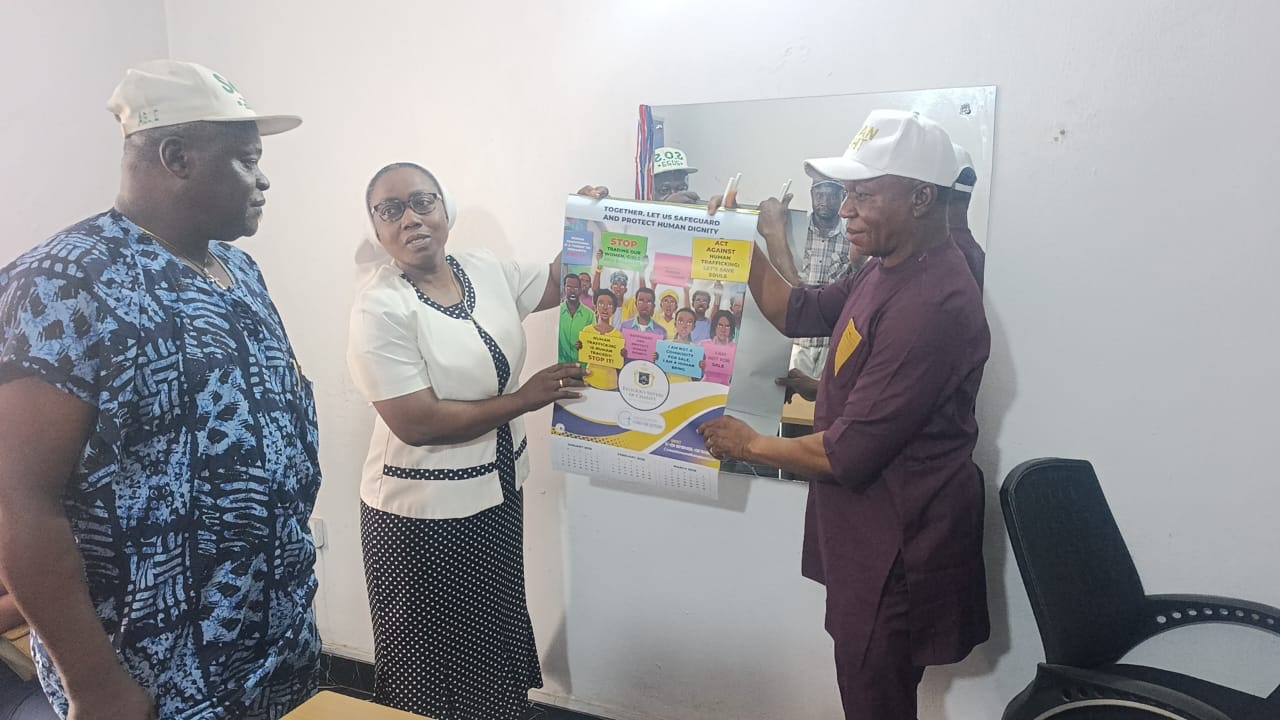
Comrade Prince Saviour Iche, the President of Ambassadors for Peace and Enlightenment Foundation (AMPEF), during the discussion noted that his foundation is excited to partner with the Religious Sisters of Charity Anti-Human Trafficking Unit.
He said,
“Human trafficking is a global issue, and many Nigerians fall prey to false promises of lucrative jobs abroad. Often, they’re lured by promises of high pay but end up in exploitative situations. Poverty and lack of opportunities drive people to take risks.”
“We’ve seen cases where people are promised $2,000 per hour without knowing what the job entails. Some are forced into prostitution or other forms of exploitation. We urge caution and advise people to be aware of the risks.”
However, Iche highlighted the role of government and stakeholders in addressing the crisis, with calls for improved job creation and economic opportunities to reduce the pressure driving migration.
Both organisations concluded by stressing the importance of sustained collaboration among organisations, government agencies, and communities to significantly reduce human trafficking and safeguard human dignity across Nigeria.