Even Armoured Vehicles Cannot Replace Defensive Driving – Background Check Expert


Even Armoured Vehicles Cannot Replace Defensive Driving – Background Check Expert
By Primetime Reports
As a defensive driver, when I analyse the accident involving Anthony Joshua, I do not see fame or headlines. I see a breakdown of fundamental defensive driving principles, magnified by the harsh reality of our Nigerian motorways.
Let me be clear: this accident was avoidable. Even though the vehicle was a hard-skin ballistic SUV, designed to withstand attacks, it is not invincible against high speed, poor judgement, and road hazards. Armour protects against bullets, not bad driving decisions.
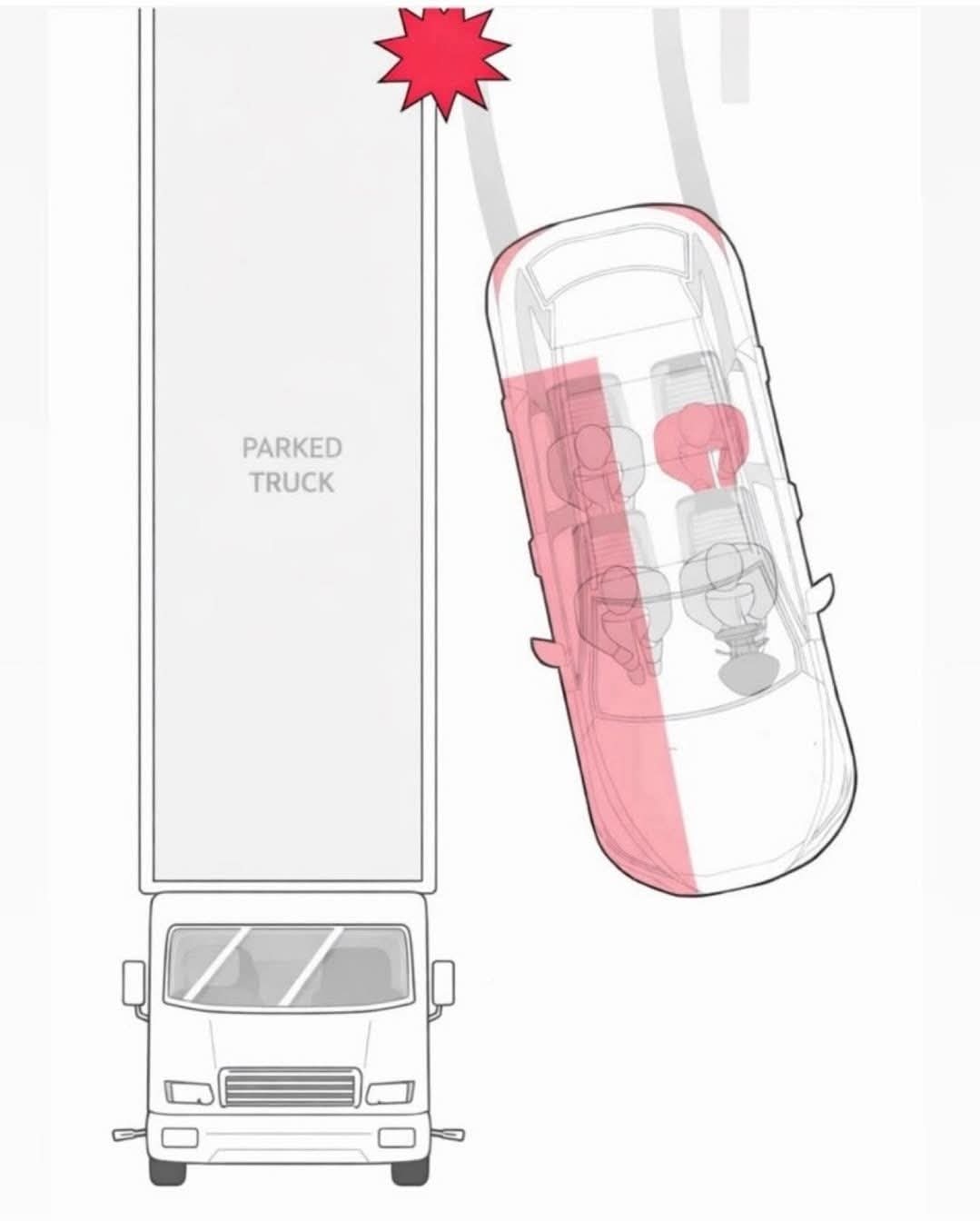
On Nigerian highways, speed is not just a number on the dashboard; it is a choice that can mean life or death. A defensive driver does not drive on confidence or vehicle capability alone; they drive based on what the road can throw at them next. And in Nigeria, the answer is anything.
Stationary trucks, broken-down vehicles, unmarked obstacles, pedestrians, sudden lane blockages – these are not exceptions. They are part of the everyday reality on our motorways. A defensive driver anticipates these hazards long before they appear.
Driving fast in such an environment shows disregard for the principles of defensive driving. Speed reduces reaction time, limits escape options, and turns manageable hazards into fatal outcomes. Even in an armoured vehicle, you cannot drive recklessly and expect to escape unscathed.
Lane discipline is another critical issue. Many drivers misuse the white lane, believing it is safe. On Nigerian highways, the white lane is a known danger zone; trucks park there without warning, vehicles break down, and pedestrians may appear suddenly. Hugging the shoulder at high speed is courting disaster, no matter the strength of your car.
Our roads themselves are filled with death traps: faded lane markings, broken streetlights, unmarked speed breakers, poorly placed reflective studs, and inadequate hazard warnings. These conditions do not forgive mistakes; they amplify them.
However, poor infrastructure does not remove driver responsibility. A defensive driver adjusts behaviour to match the environment: slowing down when visibility is poor, increasing following distance, scanning far ahead, and assuming the next bend hides a hazard. That mindset saves lives.
Many drivers wrongly believe, “I know this road” or “I can handle speed.” But skill, familiarity, and armoured vehicles do not replace discipline. The road does not care about experience or status. One wrong decision, one assumption too many, and tragedy follows.
This incident is a stark reminder: Nigerian highways punish complacency. Until our roads are properly marked, illuminated, and regulated, the only real protection we have is disciplined defensive driving. Slow down. Read the road. Respect uncertainty. Drive as if danger is always ahead because, on these highways, it always is.
The above analysis is made by Prince Olaoye E. A., a criminologist, CPO, instructor, and background check ☑ expert.