….as analysts warn of risks to credible elections without reforms.
As Nigeria approaches the 2027 general elections, growing public concern is emerging over the independence of the Independent National Electoral Commission (INEC) and the integrity of the country’s judicial system, with critics warning that existing structures could undermine credible elections.
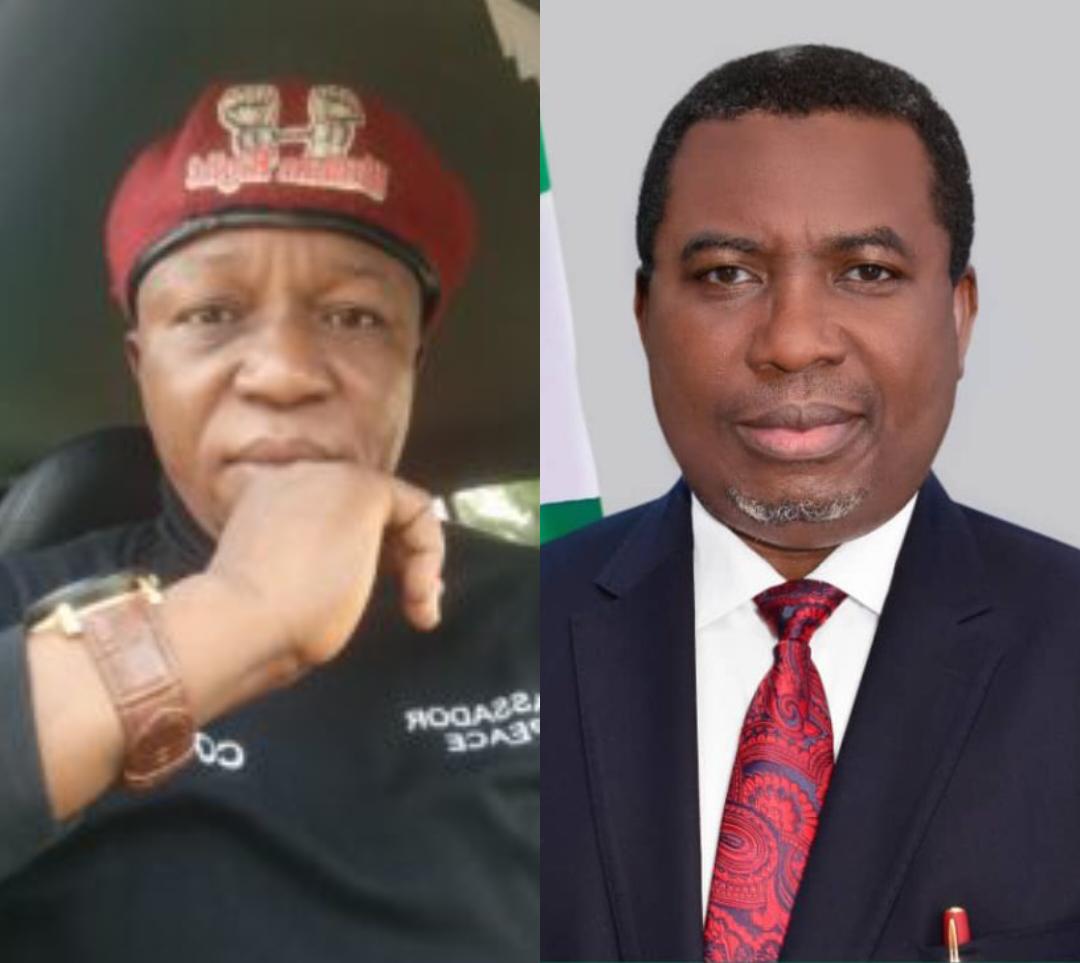
A statement made by Comrade Prince Saviour Iche, a human rights advocate, notes that a cross-section of Nigerians has questioned the process by which INEC leadership is appointed, arguing that the current system—where the president nominates the chairman and national commissioners—compromises the commission’s neutrality.
The arrangement creates a perception of bias, raising doubts about the commission’s ability to conduct free and fair elections. “An electoral body cannot be truly independent if its leadership is directly appointed by the same government it is expected to regulate,” Comrade Iche noted.
The debate Iche says has also extended to the judiciary, traditionally regarded as the “last hope of the common man”. Critics allege that recent developments, including executive benefits extended to judicial কর্মকর্ত, could erode public trust in the courts’ impartiality.
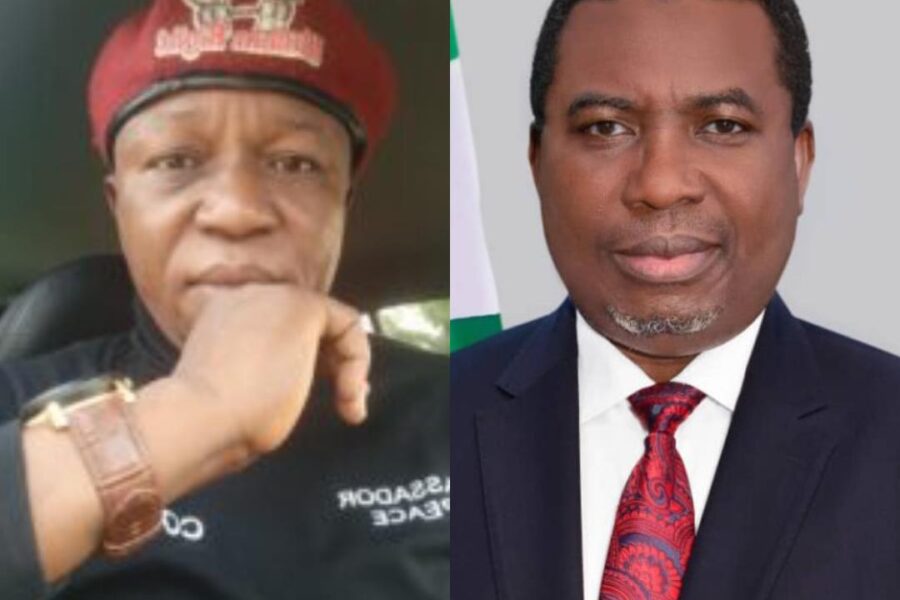
However, these concerns come amid references to the tenure of former INEC chairman Mahmood Yakubu, whose conduct during past elections has continued to attract scrutiny in some quarters. Questions have also been raised over post-tenure recognitions and appointments, with critics arguing that such actions may send the wrong signal about institutional independence.
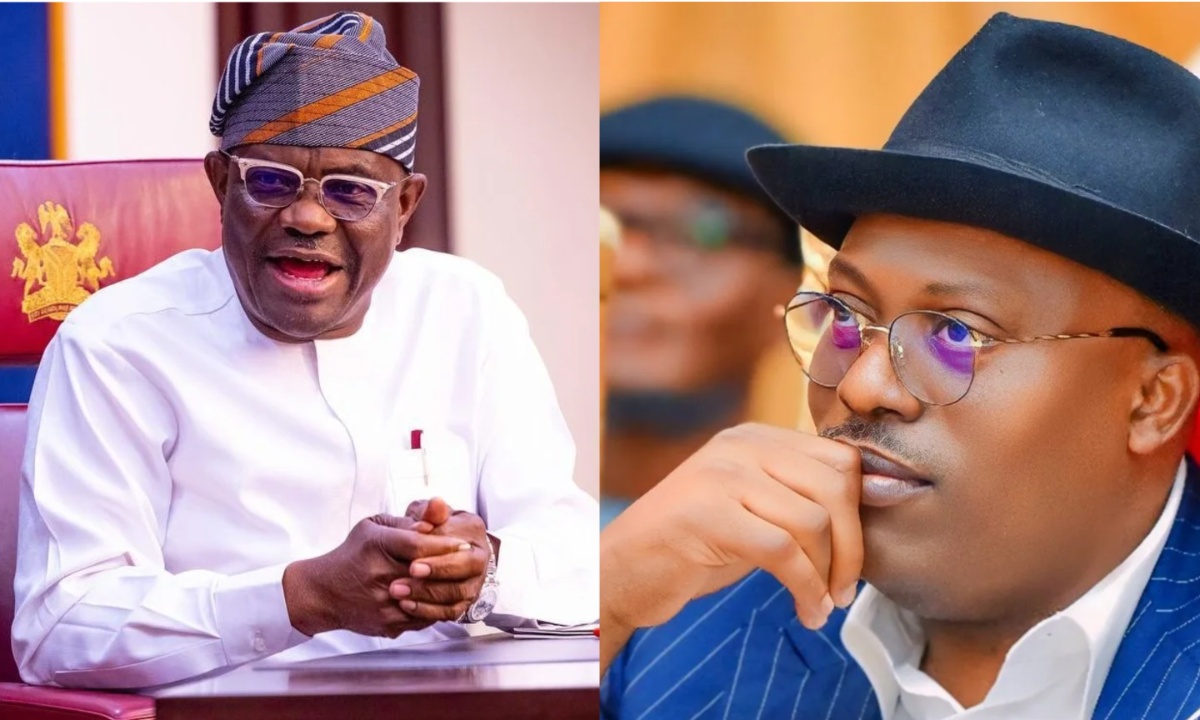
Similarly, allegations involving the Minister of the Federal Capital Territory, Nyesom Wike, regarding land allocations to members of the judiciary have further fuelled debate, though no official findings have confirmed wrongdoing.
Analyst Iche warns that the perceived lack of independence in both INEC and the judiciary could pose significant risks to Nigeria’s democracy if not addressed through policy reforms. He stressed that credible elections depend on strong, impartial institutions that command public confidence.
“There is an urgent need to review the legal framework guiding the appointment of electoral officials to ensure transparency and independence,” Iche said.
His concerns also extend to voter management processes, as discussions around voter card revalidation ahead of the next election cycle have sparked apprehension among citizens who recall the challenges experienced during previous voter registration exercises.
Stakeholders are now calling for comprehensive electoral reforms to restore public trust, ensure accountability, and guarantee a level playing field for all political actors.
As debates intensify, many Nigerians insist that the credibility of the 2027 elections—and the future of the country’s democracy—will largely depend on the willingness of authorities to address these longstanding issues, Comrade Iche added.